
The world’s busiest aviation system ground to a near halt when unpaid U.S. air traffic controllers pushed America’s airspace to the breaking point during a government shutdown crisis.
Story Snapshot
- Air traffic controllers forced to work without paychecks during prolonged government shutdown
- Trump administration implemented emergency flight reductions to prevent total system collapse
- Congressional gridlock left essential aviation workers in financial limbo while managing critical safety operations
When the Sky Falls Silent
Air traffic controllers across America faced an impossible choice: abandon their posts to find paying work or continue safeguarding millions of passengers while their own families struggled financially. These skilled professionals, responsible for preventing mid-air collisions and orchestrating the complex ballet of commercial aviation, found themselves working grueling shifts without compensation. The Federal Aviation Administration, recognizing the unsustainable pressure on its workforce, made the unprecedented decision to slash flight schedules rather than risk catastrophic safety failures.
The Domino Effect Across American Skies
Major airports from coast to coast experienced cascading delays as the controller shortage reached critical levels. LaGuardia, Newark, and Philadelphia airports led the initial wave of cancellations, but the crisis quickly spread nationwide. Airlines scrambled to reroute passengers while airport terminals filled with stranded travelers. The ripple effects extended beyond aviation, disrupting business meetings, family reunions, and time-sensitive cargo deliveries. What started as a political standoff in Washington transformed into a tangible crisis affecting ordinary Americans trying to reach their destinations.
The aviation industry, which generates over $1.6 trillion annually for the U.S. economy, suddenly found itself hostage to congressional dysfunction. Hotel bookings surged in major cities as travelers faced unexpected overnight stays, while rental car agencies reported inventory shortages as passengers sought alternative transportation methods.
Controllers on the Brink
Air traffic control represents one of the most mentally demanding careers in federal service, requiring split-second decisions that determine passenger safety. These professionals typically earn between $50,000 and $180,000 annually, but many live paycheck to paycheck like most Americans. During the shutdown, controllers reported borrowing money for groceries, skipping mortgage payments, and taking second jobs between shifts. Some facilities experienced higher-than-normal sick leave requests as financial stress took its toll on worker health and concentration.
The National Air Traffic Controllers Association warned that fatigued, financially distressed controllers posed serious safety risks. Veterans of the profession compared the situation to the 1981 PATCO strike, though this time controllers remained on duty despite not receiving pay. Their dedication prevented an even worse crisis, but the human cost mounted daily as the political stalemate continued.
Political Paralysis Meets Aviation Reality
The shutdown crisis exposed the vulnerability of America’s critical infrastructure to Washington’s political games. While Congress debated border security funding, essential services that Americans depend on daily began failing. The aviation system’s near-collapse served as a stark reminder that government shutdowns carry real consequences beyond partisan talking points. Air traffic control, classified as essential personnel, couldn’t simply stop working, yet the financial strain on these workers threatened the very safety they were tasked to maintain.
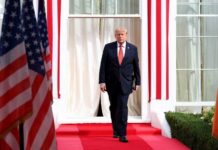
The Trump administration’s decision to reduce flights rather than risk safety incidents demonstrated the severity of the situation. This emergency measure, rarely used except during natural disasters or security threats, highlighted how political dysfunction had created an artificial crisis with potentially deadly consequences. The irony wasn’t lost on observers: a dispute over border security had compromised another critical element of national security—safe air travel.