
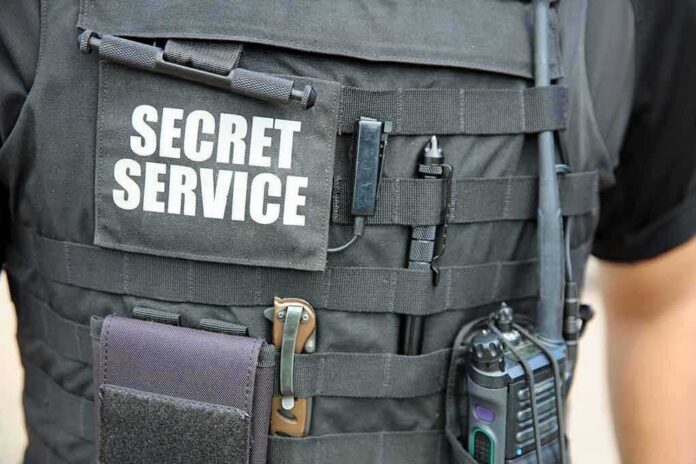
Multiple official reports now show police flagged Thomas Crooks as suspicious well before shots were fired in Butler, yet key warnings never reached the team protecting President Trump.
Story Snapshot
- Independent and congressional reports detail early sightings of Crooks, including use of a range finder, before the attack.
- Gaps between local police and the United States Secret Service left the AGR building unsecured and messages fragmented.
- The Federal Bureau of Investigation (FBI) classified the event as an assassination attempt and potential domestic terrorism.
- Released records and witness accounts describe missed red flags and an altercation involving Crooks before the shooting.
What new records say about early warnings
The Department of Homeland Security independent panel reported that a local countersniper tagged Crooks as suspicious by about 4:26 p.m., more than ninety minutes before the gunfire at 6:11 p.m. The same report says officers later saw him using a range finder near the AGR building and radioed a warning at 5:42 p.m. that a young white male with long hair had sighted the stage. A House task force later said three officers noticed Crooks at about 5:00 p.m. and found his behavior suspicious.
Those timeline details matter because they show multiple points where information existed but did not drive action fast enough. The House task force and follow-on coverage say the AGR complex, which gave Crooks a clear line of sight, was not placed inside a hardened security zone. That choice left the roof unsecured during the rally window. NBC News reporting, based on official findings, adds that the local team tied to that roof had not engaged with the United States Secret Service before the event.
How communications broke down on the ground
Law enforcement at large events often split across different radio channels and command posts. The Butler timeline shows how that split slowed response. The Department of Homeland Security panel logs a specific radio call warning about a male with a range finder near the AGR building at 5:42 p.m. Yet the protective detail closest to President Trump did not move on that alert in time. A House task force release later summarized “stunning security failures,” including weak planning and poor coordination.
One paragraph in the broader record describes how the local police unit responsible for the roof had no prior discussion with the United States Secret Service about posting on the AGR building. Without that shared plan, no team held the vantage point that Crooks used as his firing position. These are classic seams that appear after high-risk incidents: separate radios, unclear site control, and uncertain roles. When those seams line up, warnings can feel loud on one channel and silent on another.
What investigators and new files add
The Federal Bureau of Investigation announced days after the attack that it was treating the Butler shooting as an assassination attempt and potential domestic terrorism, and that technicians had accessed Crooks’ phone during the probe. Advocacy-led Freedom of Information Act releases later claimed radio chatter before the shooting mentioned an unknown male acting oddly, even looking at a sniper position. Another release summarized an FBI interview with a rally-goer who described an altercation with Crooks before he climbed the building.
New detail buried in the Trump assassination attempt documents: someone anonymous paid for the cremation of shooter Thomas Crooks. The information surfaced in FBI records handed over to Senate Judiciary Chairman Chuck Grassley as part of his inquiry into the July 2024 Butler, PA…
— Top Stories (@TopStories77) September 15, 2026
These details, while uneven in redaction and emphasis, point to a pattern both sides recognize: government systems froze under stress. Conservatives see proof of weak planning and a failure to lock down a known threat area. Liberals see another case where basic coordination fell short and working-class security partners were left without clear guidance. In each reading, the common thread is the same: when agencies fail to share and act on time, the public pays the price.
Why this matters beyond Butler
High-profile protection should not depend on luck or a single alert officer. The independent panel and House findings show preventable gaps: late or lost warnings, an unsecured sightline, and no shared plan for the key roof. Those are fixable problems. Clearer radio integration, joint rehearsals, and hard perimeter choices reduce risk fast. The question now is whether leaders will force those changes or let bureaucracy drift until the next crisis.
What to watch next
Watch for specific changes to how the United States Secret Service and local police share radios and staff rooftops around open-air stages. Look for updated site-selection rules that default to securing high ground with a line of sight. Track whether new training and resource requests match the threats described in the reports. The test is simple: fewer seams, faster action, and no repeat of Butler’s breakdowns when the next crowd gathers and the stakes are high.
Sources:
twitchy.com, usatoday.com, securityinfowatch.com, fallon.house.gov, the-sun.com, taskforce.house.gov, bbc.com
© whatnewsdaily.com 2026. All rights reserved.