
Imagine neutralizing cat, dust, and mold allergens in your home within minutes—all by flipping a switch, thanks to a new class of safe UV light.
Story Snapshot
- CU Boulder researchers have discovered that UV222 light can rapidly neutralize common allergens by altering their proteins.
- This technology may offer a safe, side-effect-free alternative to drugs or harsh chemicals for allergy sufferers.
- The science behind UV222 shows promise for allergy control in everyday environments, including homes and public spaces.
- Potential applications extend beyond pet and dust allergies to mold, opening new doors for respiratory health.
UV222 Light: The Science Behind Fast Allergen Neutralization
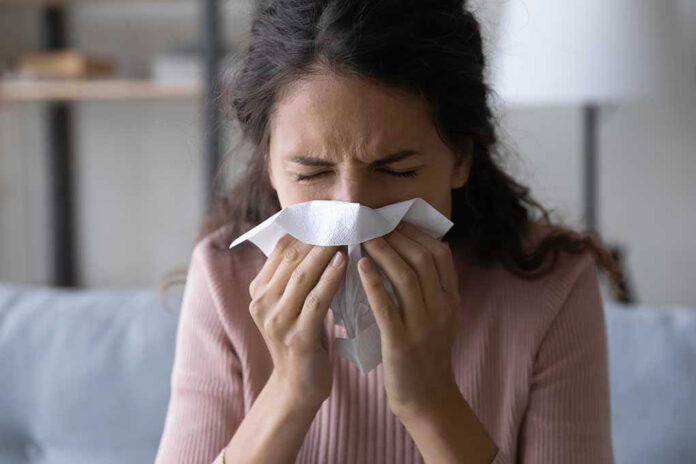
Researchers at the University of Colorado Boulder have identified a specific wavelength of ultraviolet light—UV222—that can effectively render allergen proteins harmless within minutes. Unlike traditional UV sterilization, which can damage skin and eyes, UV222 operates at a frequency that is safe for human exposure while targeting the chemical bonds in allergens. Tests show that the light alters the shape of proteins from cat dander, dust mites, and mold, making them unrecognizable to the immune system and thus preventing the cascade of sneezing, watery eyes, and respiratory irritation commonly experienced by allergy sufferers.
This breakthrough stands on the shoulders of decades of research on UV light’s antimicrobial properties. However, the CU Boulder team’s focus on allergen proteins—rather than viruses or bacteria—marks a significant pivot in the public health conversation. Their experiments involved exposing allergen samples to short bursts of UV222 and then measuring the body’s immune response in animal models. The results: dramatic reductions in allergic symptoms with no detectable harm to skin or ocular tissue, a finding that could redefine how allergies are managed in homes and public buildings.
Safe Application: Why UV222 Is Different
Traditional UV lights, such as those used for sterilizing hospital rooms, emit wavelengths that penetrate living tissue and can cause burns or even cancer with prolonged exposure. UV222, in contrast, is absorbed by the uppermost layer of skin and does not reach vulnerable cells, making it safe for continuous use around people and pets. The safety profile of UV222 has been corroborated by independent studies, and early adopters in clinical settings have reported no adverse effects among staff or patients. This opens the possibility of integrating UV222 fixtures into HVAC systems, ceiling panels, and portable devices designed for homes, schools, and offices.
Consumer interest in UV222 is expected to surge as awareness grows about its potential to reduce dependence on allergy medications, which can cause drowsiness or other side effects. For families with children or elderly members sensitive to environmental allergens, the ability to “clear the air” instantly could transform daily life. Manufacturers are already exploring partnerships with lighting companies to bring UV222-enabled products to market, anticipating strong demand among pet owners, asthma sufferers, and anyone seeking a cleaner indoor environment.
Transforming Allergy Management: What the Future Holds
The implications of UV222 technology extend beyond immediate symptom relief. By neutralizing allergens before they reach the respiratory tract, UV222 may help prevent the development of chronic conditions like asthma and reduce the need for costly interventions. This could have a ripple effect on healthcare spending, workplace productivity, and the overall quality of life for millions of Americans. Researchers are now investigating whether the technology could also combat airborne pathogens and reduce the risk of viral transmission in high-traffic areas.
Despite the excitement, experts caution that UV222 is not a panacea. While the technology shows strong efficacy in controlled laboratory settings, real-world results may vary due to air circulation, allergen load, and the placement of UV fixtures. Ongoing studies aim to refine dosing protocols and assess long-term safety. Regulatory approval will require rigorous review, but the early data suggest that UV222 could become a cornerstone of modern allergy prevention—offering hope to those who have resigned themselves to lifelong symptoms.