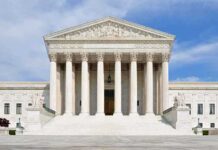

Joint Base Charleston has been renamed for Lindsey Graham, turning a major military site into a political tribute with immediate symbolic weight.
Quick Take
- Secretary of War Pete Hegseth officially renamed the base Joint Base Lindsey Graham during a ceremony in South Carolina.
- Air Force Secretary Troy Meink’s memo said the change honors Graham’s service to Congress and the United States Air Force.
- Officials said Graham served 33 years in the Air Force and helped secure money for base projects.
- The public record is still mostly built on official memos, ceremony remarks, and rapid news coverage.
What Changed at Joint Base Charleston
Joint Base Charleston became Joint Base Lindsey Graham on August 10, 2026, after a renaming ceremony attended by Hegseth, South Carolina Governor Henry McMaster, and other officials. The Department of War said the base now carries Graham’s name in honor of his military and public service. The installation remains a key Air Force site tied to global airlift operations.
The timing matters because the base sits inside a broader fight over who gets honored by federal institutions. Supporters framed the move as a recognition of service and support for military readiness. Critics of Washington often see moments like this as proof that elite insiders still control public symbols while ordinary Americans face higher costs, weaker trust, and constant political theater.
Why Officials Say Graham Was Chosen
Air Force Secretary Troy Meink’s memo said the rename honors Graham’s “decades of distinguished service” to Congress and the Air Force. The memo also said Graham’s advocacy was “instrumental” in modernizing military infrastructure and improving aviation security. Reporting from multiple outlets described the same rationale, showing that the official explanation was consistent across the first wave of coverage.
That public case rests on Graham’s long military record and his role as a South Carolina senator who pushed for local defense projects. Officials said he served 33 years in the Air Force and retired as a colonel in 2015. Ceremony coverage also cited funding wins for a flight line support facility and a modern fire station, which were presented as examples of his influence on the base.
What the Public Record Still Does Not Show
The strongest available evidence is still reporting about an internal memo, not the full memo itself. That leaves the public with only the quoted rationale and ceremony remarks, not the complete decision file. The record also does not include the legal or administrative chain that authorized the renaming, so the formal process remains only partly visible.
Monday in North Charleston, the base inside Nancy Mace's own district officially became Joint Base Lindsey Graham.
The Secretary of War spoke. The Treasury Secretary spoke. The governor spoke. Graham's sister spoke. The one member of Congress whose district holds the base… pic.twitter.com/SSvkmPuuOY
— Maceopedia (@maceopedia) August 11, 2026
That gap matters because naming decisions at military bases are not just ceremonial. They decide which people the government turns into symbols of honor. In this case, the sources support the rename itself, but they do not fully show how the Air Force weighed standards, authority, or the full set of reasons behind the choice.
What the Coverage Suggests About Government Trust
The story also reflects a familiar problem in Washington: major decisions get announced first, and the paperwork comes later. News coverage showed broad official support, but little independent scrutiny of the memo’s claims or the funding story behind Graham’s legacy. That pattern feeds a wider public belief, shared across party lines, that powerful institutions explain themselves only when it suits them.
Sources:
youtube.com, politico.com, nypost.com, live5news.com, postandcourier.com, facebook.com
© whatnewsdaily.com 2026. All rights reserved.