
A karaoke-style chant at a live show reignited America’s fight over where satire ends and cruelty begins.
Story Snapshot
- Hasan Piker led a crowd in “We Are Charlie Kirk” during a San Francisco live show.
- Conservative figures denounced the moment as mocking a murder victim.
- The song started as a tribute, then became a viral meme reused in parody.
- Short social clips fueled outrage while full-show context remains limited.
What Happened On Stage In San Francisco
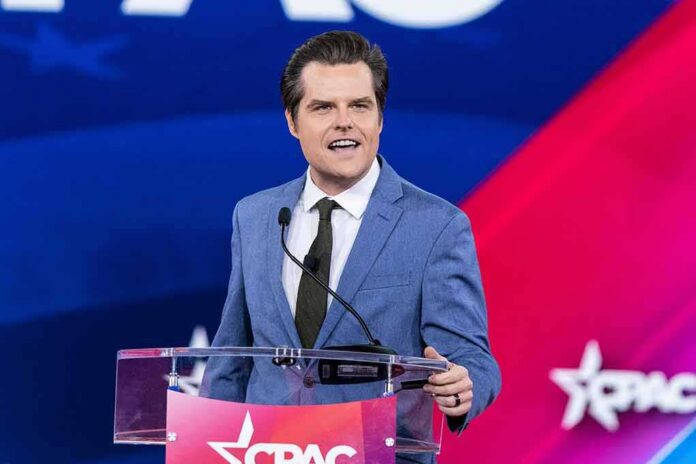
On August 21, at the Golden Gate Theatre in San Francisco, streamer Hasan Piker led a karaoke-style singalong of “We Are Charlie Kirk” during a live stop of the Fear and Live tour. A circulating clip shows audience cheers and on-screen lyrics in a communal format, consistent with a comedy or podcast show setting. Coverage from partisan outlets described the act as mocking Charlie Kirk’s death, intensifying backlash as the one-year mark of the assassination nears.
Outlets noted the crowd’s energy and Piker’s role leading the chant. Some described the staging and costume choices designed for comedic effect, which supporters say signals satire. Critics say none of that matters because the target was a slain public figure. Both sides agree the moment happened at a live show. What remains disputed is intention, which the clip alone cannot settle without longer, uncut context.
Why The Song Itself Became A Flashpoint
Hasan Piker previously explained that the song began as a sincere tribute to Charlie Kirk after the killing. He said it spread online and quickly turned into a meme that users remixed and parodied across platforms. That viral shift made the song a shared internet in-joke, which performers and audiences could reuse in ironic ways. That history helps explain why a live show might treat it as satire, even as others see it as cruelty.
Partisan coverage framed the San Francisco moment as mockery. A Turning Point USA spokesperson called it “pure, unadulterated evil,” adding a Bible verse about gloating over disaster. That quote captured the moral line many felt had been crossed. The stronger claim is not about whether the chant occurred, but whether it celebrated a death or commented on how internet culture reacts to tragedy. The answer depends on context missing from short clips.
The Context Collapse Problem Driving The Outrage Cycle
Short video clips often flatten live comedy into a single signal. A bit that relies on room tone, setup, and follow-up can look hateful when stripped of that frame. This pattern repeats in modern politics, where memes and satire travel faster than clarifications. Outrage posts surge, then institutional media echo them. Viewers across the spectrum see their worst fears confirmed about cruelty in politics and the decay of shared norms.
Now there are two Pikers in the Democrat party's big tent! Y'all are raging lunatics!
Hasan Piker sings mocking 'We Are Charlie Kirk' song at live podcast showhttps://t.co/4wvRSL9E0H
— Patrick Wells (@Patrickjjww) August 23, 2026
Americans on the right and left share deeper worries beneath the uproar. People fear that elites, platforms, and media profit from division while communities absorb the harm. They see political speech turning into a sport of humiliation. They also see rules applied unevenly, depending on who is speaking. This case fits that concern. A meme born as a tribute now functions as a test of taste, fairness, and what we permit in public life.
What We Know, What We Don’t, And Why It Matters
We know the karaoke-style chant happened on August 21 in San Francisco during a Fear and Live show, with cheering and on-screen lyrics. We know some outlets framed it as mocking a murder victim, and prominent conservatives condemned it. We know the song’s origin was a tribute that later became a meme reused in parody online. We do not have a full, unedited recording with any setup or debrief that could clarify intent and tone.
That gap leaves two stories running at once. One says a performer mocked a killing to score laughs. The other says a live show referenced a notorious meme to critique internet reaction and political grief. Both interpretations draw fuel from a system that rewards shock over context. If leaders, entertainers, and platforms keep training us to react before we understand, we will keep getting a politics that entertains first and heals never.
Sources:
facebook.com, foxnews.com, youtube.com, x.com
© whatnewsdaily.com 2026. All rights reserved.