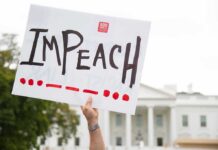


The WNBA has reportedly told Enes Kanter Freedom and Royce White they are ineligible for the 2027 draft, while still not defining who qualifies as a “woman” under its own rules.
Story Snapshot
- The league’s public rule says only “players who are women” can play, but it does not define “woman”.
- Kanter Freedom sent a formal letter declaring for the 2027 draft and claims he meets all listed criteria.
- A WNBA task force discussed eligibility but announced no new policy and downplayed “immediate” cases.
- Coverage says self-identification alone is not supported by the published rules.
What The League Has And Has Not Said
Public reporting quotes the collective bargaining agreement as saying “only players who are women are eligible to play in the WNBA,” without defining the term in the cited text. A league spokesperson said there were “no immediate eligibility matters” and denounced “bad-faith efforts” tied to this debate. Reports add that the league has no public policy detailing how transgender or intersex eligibility works today, keeping a key point unsettled in public view.
League leaders met through a task force to discuss the issue but did not announce a final standard after that session, according to contemporaneous coverage. That leaves teams, players, and fans without a clear answer on who qualifies under the “women” rule. The lack of definition invites disputes like this one and raises the risk that policy will be made ad hoc, behind closed doors, rather than through a rule everyone can see and understand.
What Kanter Freedom And White Did
Enes Kanter Freedom said he reviewed the guidelines and declared himself a 2027 WNBA draft prospect. He also sent a formal written notice to the league stating his decision to enter the draft player pool and cited age and college-eligibility provisions that he says he meets. Royce White made a similar public declaration, pressing the same gap in the public-facing rules. Media coverage, however, notes the league has not recognized these declarations as meeting draft eligibility.
Kanter Freedom argues that if self-identification is enough in practice, he qualifies. He frames the move as a test of whether the league applies rules “equally” and “consistently.” Critics say the claim oversimplifies the agreement and that the text does not state that self-identification alone grants entry. They also point out that the draft has age and education requirements that apply to everyone, regardless of identity.
The Core Dispute: A Rule With An Undefined Center
The sticking point is simple to read and hard to apply: the agreement says only women can play, but the public materials do not define “woman” in the cited sections. That gap has turned one sentence into a major fight. When rules are vague, institutions often avoid tough calls until pressure rises. That pattern is playing out now, with a task force discussing the issue, a public statement urging calm, and no firm written standard available to settle disputes.
Focus on the legal mechanism, not the messenger. When a 6'10 ex-NBA center declares for the WNBA draft, it puts the league in a legal corner where they have to write clear eligibility definitions into their CBA or face Title IX challenges. The stunt forces clarity.
— Keiro (@FindingKeiro) August 25, 2026
Fans across the spectrum see a deeper problem here. People on the right worry that shifting definitions will break fairness in women’s sports. People on the left worry that powerful groups will use vague rules to pick winners and silence voices. Both sides see elites managing controversy instead of publishing clear, neutral standards. Until the league defines who is eligible, each new case will feel like politics first and rules second — the opposite of how a sport should run.
Sources:
facebook.com, nypost.com, foxnews.com, cbc.ca, usatoday.com
© whatnewsdaily.com 2026. All rights reserved.