
Nine months after his killing, Rob Reiner won a posthumous Emmy as his son stands indicted and pleading not guilty to murdering both parents.
Story Highlights
- Rob Reiner received a posthumous Emmy for The Bear at an early 2026 ceremony.
- A Los Angeles County grand jury indicted Nick Reiner for the murders of his parents, adding “lying in wait” allegations.
- Nick Reiner pleaded not guilty; the case remains at a pretrial stage.
- High-profile cases often harden public views before trials test the evidence.
What Happened: An Award and an Indictment Collide
On the same weekend his legacy was honored, Rob Reiner’s family story returned to court headlines. The television academy announced a posthumous Emmy for Reiner’s guest role in The Bear, months after his death in December 2025. Days earlier, prosecutors in Los Angeles said a grand jury had indicted his son, Nick Reiner, on two counts of murder with special allegations, including multiple murders and murder by means of lying in wait. Nick has denied the charges in court.
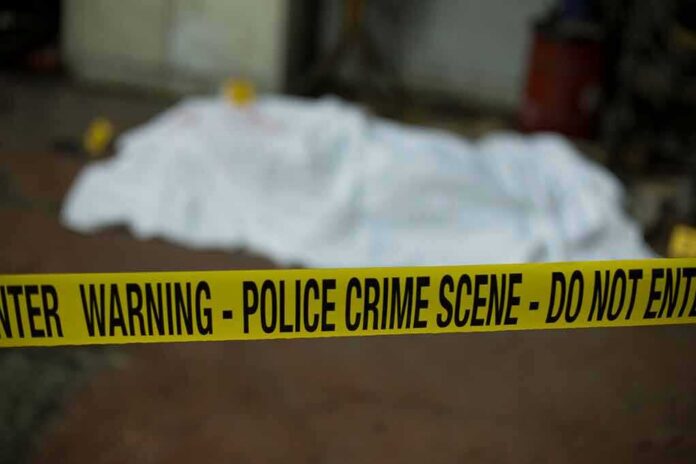
The indictment followed earlier arrests and filings that drew wide media attention. Prosecutors say the killings took place inside the family’s Brentwood home. The Associated Press reported the added allegation that the attacker was “lying in wait,” which can raise possible penalties if proven. Court filings and broadcast reports note that Nick Reiner entered a plea of not guilty, pushing the case toward motions and a future trial date. Judges have not yet weighed the evidence in open court.
The Legal Posture: Charges, Pleas, and What Comes Next
Grand jury indictments move cases forward but do not prove guilt. Prosecutors must still show evidence meets the legal standard at trial. Defense lawyers have stated their client maintains his innocence. A British Broadcasting Corporation report described prosecutors’ claim that the parents were stabbed inside a bedroom, but also noted Nick Reiner’s not guilty plea in a Los Angeles courtroom. The Associated Press detailed the added “lying in wait” allegation in the unsealed indictment. The court process is ongoing.
High-profile families often face both court calendars and news cycles. Judges will set hearings for discovery disputes, expert notices, and any suppression issues. Prosecutors may outline forensic results, timelines, and motive theories. Defense lawyers will challenge methods, chain of custody, and witness accounts. A trial date has not been set in the material cited here. Until a jury rules, the presumption of innocence stands, even as headlines can make that principle feel abstract to many readers.
Why This Resonates: Media Narratives and Public Trust
Academics who study crime and fame warn that media framing can lock in a story line long before jurors hear exhibits or testimony. Research on “criminalized celebrity” shows audiences often absorb a simple guilt narrative built on early arrests, police quotes, and brief filings. That pattern recurs across the political spectrum. Many Americans already think elites get special treatment while regular people face swift judgment. Both views can grow when awards shows, police briefings, and court updates collide.
Rob Reiner’s Emmy adds a bittersweet layer. Fans celebrate the work, while a family grieves and a court system crawls along. Coverage that treats the award and the case as one spectacle can deepen cynicism about institutions. A healthier approach keeps two truths in view: honor art on its merits, and judge criminal charges only on tested evidence. That balance is simple to say and hard to keep in a fast, emotional news cycle.
What to Watch: Evidence, Court Rulings, and Tone
Watch for concrete items that move beyond headlines. Court filings that detail forensic analysis, witness statements, location data, and timelines matter. Judicial rulings on what evidence jurors can hear will shape the trial. Sentencing exposure tied to “lying in wait” depends on proof at trial, not press releases. Responsible coverage should separate the Emmy story from the homicide case, note the presumption of innocence, and avoid claims not backed by records.
Sources:
abcnews.com, npr.org, apnews.com, legalexperts.ai, jkhighcourt.nic.in
© whatnewsdaily.com 2026. All rights reserved.