
Freezing and seizing bank accounts tied to illegal immigration and cartel finance promises a rapid choke on smuggling cash flows—but only if the execution matches the rhetoric and the law.
Story Snapshot
- Executive action directs banks to verify citizenship and immigration status more closely and tighten fraud screening [3].
- Supporters frame it as targeting cartel-linked money and illicit migration funding; critics warn of overreach and “debanking” risks [9].
- Federal banking guidance historically has not required proof of citizenship to open an account, complicating blanket assumptions [1].
- The policy sits inside a broader push to link immigration status to access to finance, benefits, and payments [11].
A directive that weaponizes financial rails against smuggling networks
President Donald Trump signed an executive order instructing the Treasury Department and financial regulators to intensify verification of customers’ citizenship and immigration status, expand payment checks, and tighten fraud screening, casting illicit cross-border finance as a national security risk [3]. The framing positions bank-account scrutiny as a frontline tool against human smuggling and cartel logistics that rely on wire transfers, remittances, and digital wallets. The core bet is simple: disrupt the money, disrupt the migration pipeline. For border hawks, that aligns with common-sense enforcement priorities.
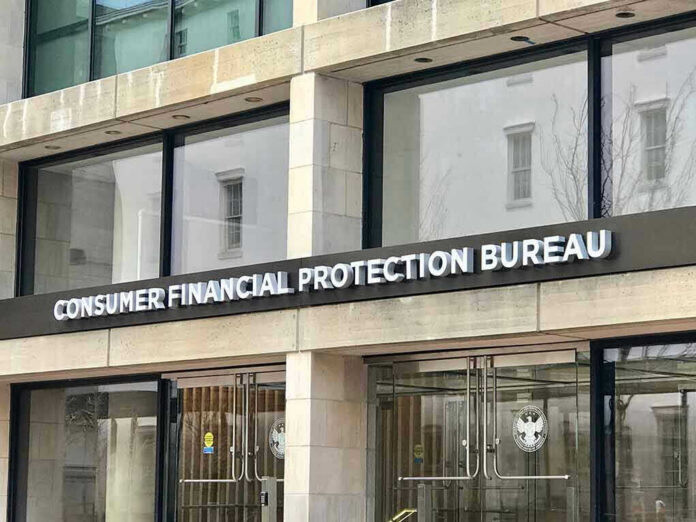
The operational question hinges on precision. Freezing or seizing accounts that investigators can tie to trafficking proceeds or benefit fraud lands squarely within longstanding anti-money-laundering practice. The risk emerges if broad screens flag lawful customers or conflate immigration status with criminality. Federal consumer advocates warn that sweeping citizenship checks could push millions out of mainstream banking into cash economies, which are harder to monitor and easier for cartels to exploit—an outcome that would undercut the order’s stated goals [9]. The line between targeted enforcement and counterproductive dragnet is thin and technical.
What banks can legally require—and why it matters to the rollout
Public reporting quotes the Office of the Comptroller of the Currency stating that proof of citizenship is not required to open a bank account, emphasizing instead a requirement to know the customer and monitor suspicious activity [1]. That baseline matters. If regulators now expect citizenship documentation at scale, banks must retrofit systems, retrain branches, and reconcile past onboarding with new verification touches. Mishandled transitions create false positives, frozen paychecks, and litigation. Conservatives who value rule-of-law enforcement should also demand rule-of-law process that prevents collateral harm to legal residents and citizens.
Financial institutions already use risk-based models to flag unusual transfers, layered transactions, and funnel accounts. A government mandate that tightens those models around immigration indicators could improve interdiction of known smuggling typologies. However, when mandates blend identity status with transaction risk, error rates can spike. Reports during the prior Trump era include claims from immigrant advocates that some lawful customers saw assets frozen amid broader crackdowns [4]. One anecdote does not prove systemic abuse, but it flags the compliance choreography required to separate criminals from neighbors who share surnames, languages, or remittance patterns.
Conservative test: hit criminals, protect workers, harden systems
The policy passes a key conservative sniff test if it does three things: surgically targets accounts linked by evidence to illegal smuggling or benefit fraud, protects law-abiding customers regardless of nationality, and strengthens due process for freezes and seizures. The administration’s message of restoring integrity to financial systems and tracking taxpayer dollars resonates with voters who see border chaos and cartel profits as linked problems [3]. The execution should be measured against whether seizures come after specific investigations, not before them, and whether appeals resolve quickly when banks misfire.
Context suggests a broader playbook. Immigration status has been increasingly braided with access to banks, benefits, and visas across multiple policy cycles, drawing pushback from higher education, consumer, and immigrant groups who warn of spillover onto lawful populations [11]. A White House-aligned fact sheet elsewhere argues against politicized or unlawful “debanking,” underscoring a tension: regulators are asked to be both tougher and more neutral at the same time [12]. The real metric is not the headline, but whether interdicted dollars map to prosecutions of traffickers rather than hassles for roofers, nannies, and small-shop owners.
Bottom line: precision finance enforcement or blunt-force debanking
Supporters will hail the move if Treasury and banks expose mule networks, freeze cartel remittances, and claw back fraudulent benefits without ensnaring the innocent. Skeptics will cite the historical fact that citizenship is not a prerequisite to bank safely, warn of a chilling effect on legal participation, and highlight any erroneous freezes as proof of overreach [1]. Both claims can be tested. Demand transparent metrics: percentage of freezes tied to criminal charges, average time-to-unfreeze for cleared customers, and restitution paid for wrongful holds. Results, not rhetoric, decide if this is historic enforcement or headline theater.
Sources:
[1] Web – President Trump Orders Treasury Secretary Scott Bessent to FREEZE and …
[3] YouTube – Trump Administration ramps up immigration crackdown, freezes …
[4] Web – Trump orders banks to more closely verify clients’ citizenship and …
[9] Web – Trump Administration Responds to Tragedy By Putting Hundreds of …
[11] YouTube – Trump orders banks to check customers’ citizenship status
[12] Web – Executive and Regulatory Actions Under the Second Trump …
© whatnewsdaily.com 2026. All rights reserved.