
Pakistan says it will defend Saudi Arabia “to any extent,” and it is already sending jets and troops under their mutual defense pact.
Story Highlights
- Pakistan and Saudi Arabia have a mutual defense pact that treats an attack on one as an attack on both.
- Pakistan’s army spokesman said support for Saudi security is “unconditional” and will go “to any extent”.
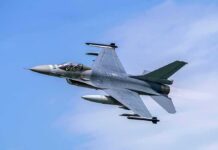
- Saudi Arabia said Pakistan deployed fighter jets and forces to the kingdom under the pact.
- The pact signals stronger deterrence but leaves specific military commitments flexible.
What Islamabad and Riyadh Agreed To
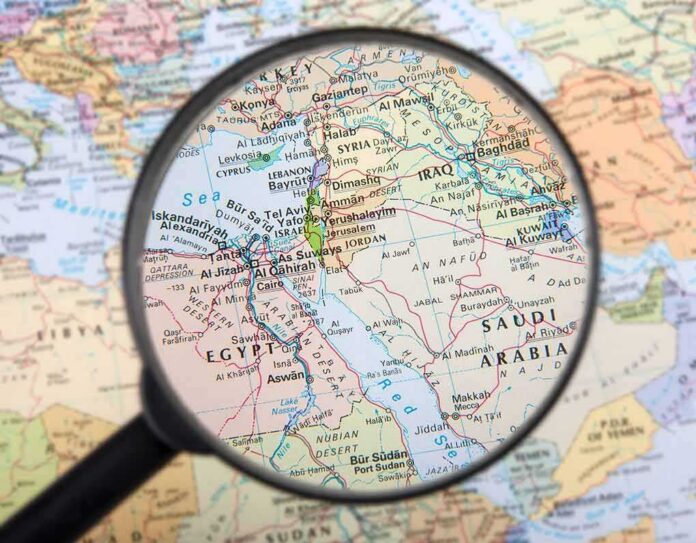
Saudi Arabia and Pakistan signed a Strategic Mutual Defense Agreement in September 2025. The agreement says any aggression against either country will be treated as aggression against both, according to the Pakistani prime minister’s office and Saudi statements reported at the time. Officials framed the pact as a formal step that builds on decades of military ties and aims to strengthen joint deterrence against outside threats in the Gulf and South Asia region.
Pakistan’s Ministry of Foreign Affairs later described the pact as defensive and not aimed at any single country. The ministry said it formalizes a long partnership that includes training, exercises, and defense industry work. The language mirrors treaty lines used by other alliances, which can boost deterrence by warning would-be attackers. But it also lets leaders choose how to respond case by case, rather than locking in automatic troop commitments for every scenario.
Pakistan’s “To Any Extent” Pledge Meets Real-World Tests
Pakistan’s military spokesman said the country’s commitment to Saudi security is “unconditional” and that Pakistan would go “to any extent” if the kingdom is attacked. Saudi Arabia later said Pakistan sent fighter jets and other forces to the kingdom under the pact, showing that the agreement has moved from words to action when threats rise. These deployments fit a long history of Pakistani forces helping Saudi security, dating back many years through training and protection missions.
Government statements also stress that the pact is about deterring attacks, not starting new wars. Leaders in both countries have avoided spelling out exact red lines or timelines for action. That approach keeps options open and reduces the risk of being dragged into fights that do not match core interests. It also reflects how many Gulf security deals mix clear warnings with flexible plans to manage fast-changing risks.
Why This Matters for Ordinary Americans
Energy prices, shipping lanes, and global markets react when the Gulf heats up. Stronger Saudi-Pakistan ties may steady the region by warning off attacks. They could also pull more countries into a crisis if a strike forces a response under the pact. For Americans worried about high fuel costs and foreign entanglements, the stakes are clear: more stability can lower risk, while missteps can send prices up and stretch thin the world’s supply chains.
This pact also shows a shift away from relying only on the United States for Gulf security. Saudi Arabia is spreading its bets, and Pakistan is seeking partners and funds to help its stressed economy. That trend speaks to a broader frustration many share at home: powerful networks set the rules, while regular people pay higher bills when things go wrong far away. Clear rules and honest goals in deals like this can reduce those costs over time.
What To Watch Next
Watch for more joint drills, air defense placements, and industry projects. Those steps would show the pact is deepening beyond temporary deployments. Also track how both sides define “aggression” in public. Leaders may clarify triggers that would bring larger help from Pakistan inside Saudi borders, or even outside them if allies are attacked by missiles or drones. Clearer lines can prevent miscalculation and help markets price risk more calmly.
**UPDATE**
Saudi-Houthi Strategy Watch
Material change in Saudi allied military backing: Pakistan’s military has now moved from conditional language to an explicit public commitment to physically defend Saudi Arabia against attack “to any extent.”
Pakistan’s military…
— Brilho do Norte (@BrilhoDance) September 17, 2026
Finally, watch how this affects other players. Iran, Yemen’s Houthi movement, and rival blocs will read the pact’s signals. If deterrence holds, attacks may slow. If testing continues, both countries will face choices about costs and limits. For people on the left and right who see powerful governments acting for themselves, transparency and restraint will be the markers that this deal serves security, not the ambitions of elites far from the consequences.
Sources:
en.wikipedia.org, aljazeera.com, arabnews.jp, thenews.com.pk, english.ahram.org.eg
© whatnewsdaily.com 2026. All rights reserved.