
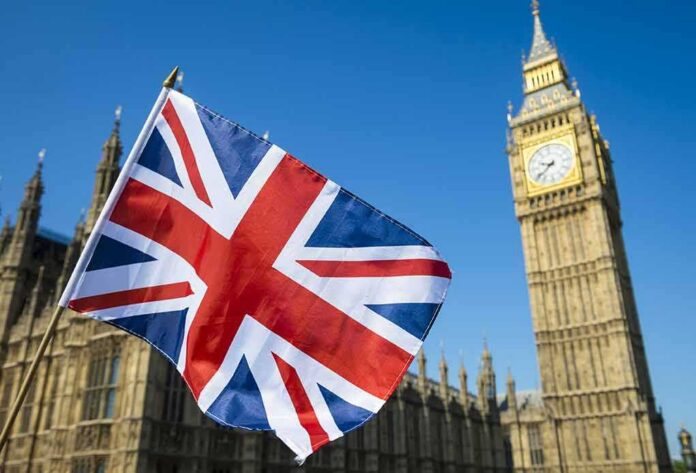
Britain’s push to penalize Israeli settlement activity now collides with President Trump’s pro-Israel stance, setting up a rare U.S.–UK policy rift grounded in hard legal claims and sharper sanctions.
Story Snapshot
- UK steps toward tougher action on Israeli settlements build on a growing sanctions record.
- International Court of Justice advisory opinion declares settlement expansion unlawful and calls for a halt.
- Israel rejects Western sanctions as political interference that target its citizens.
- Trump rolled back prior U.S. settler sanctions, widening the transatlantic gap.
What London Has Already Done — And What It Signals Next
UK ministers have moved from warnings to targeted sanctions against networks tied to settler violence. Government announcements in 2024, 2025, and June 2026 named illegal outposts, linked organizations, and facilitators, and said businesses should not engage with settlement activity. A separate statement condemned the tender for the E1 project and warned of more measures focused on those who take part in illegal settlement expansion. These steps show a path toward broader restrictions that go beyond case-by-case listings.
UK policy frames settlement expansion as a legal issue and a threat to a two-state solution. Ministers say trade with Israel inside the 1967 lines can continue, but economic involvement in illegal settlements should not. The line is meant to protect normal commerce while cutting support for activities viewed as unlawful. Critics call the stance symbolic, but the record shows an expanding toolset: listings, public guidance, and the threat of wider sanctions on people and entities tied to expansion.
The Legal Anchor: What The World Court Said
The International Court of Justice issued an advisory opinion in July 2024 finding that Israel’s settlement policy in occupied territory violates international law and that Israel must halt new settlement activity. The Court said Israel should evacuate settlers from the occupied territory and end measures that change its demographic makeup. Advisory opinions are not binding like judgments, but they carry weight. Many governments rely on them to shape trade, procurement, and sanctions policy.
Supporters of tougher UK action say the Court’s view makes continued business with settlement activity a legal and moral risk. They argue that clear rules help banks, insurers, shippers, and charities avoid complicity. Opponents respond that advisory opinions do not mandate a blanket trade ban and that the United Kingdom’s obligations are not automatic. The absence of a public, final UK legal instrument for a full trade ban leaves details open, including goods covered and how enforcement would work.
Israel’s Rejection And Washington’s Turn Under Trump
Israel’s foreign ministry rejected Western sanctions as political interference that target Israeli citizens and officials. It argued the measures push a stance on the right of Jews to live in the West Bank and mask politics as anti-violence enforcement. Israeli leaders warned of retaliation for broader steps. That reaction raises the diplomatic cost for London and may force Britain to prepare for countermeasures even if it limits sanctions to settlement-linked actors.
British diplomats have privately assured the US that new sanctions on Israeli settlements are largely symbolic and will not materially affect UK-Israel trade or security ties.
i wonder why everyone is celebrating this ,as it makes no difference at all ,there's no sanctions on…— roccoco (@roccoco29488257) September 8, 2026
President Trump reversed prior U.S. sanctions on Israeli settlers and organizations accused of violence, removing asset freezes and business prohibitions imposed earlier. That decision reopened financial channels for those entities and marked a break with allied pressure tactics. The shift leaves Britain and several partners pressing one way while Washington moves another. For readers who see a global elite failing basic duties, this split looks like more proof that power often protects itself, not the rules it claims to uphold.
Why This Matters For Readers Across The Spectrum
Conservatives worry about foreign policy drift, weak enforcement, and trade disruptions. Liberals worry about human rights, rule of law, and unequal treatment. Both camps see a pattern: leaders talk tough yet deliver half measures. The UK has built a legal case and a sanctions path, but real impact depends on clear rules, enforcement muscle, and coordination with major partners. Without those, policy can look like theater that punishes few and changes little.
What To Watch Next
Watch for three signals. First, the exact legal text of any broader UK restrictions, including covered goods, services, and financial flows. Second, enforcement guidance for banks, shippers, and insurers that turns principles into daily checks. Third, allied coordination or fracture. If Europe, Canada, and others align with London while Washington stays offside, companies will face split rulebooks and higher compliance costs, with uncertain gains for peace or security.
Sources:
foxnews.com, gov.uk, mfat.govt.nz, aljazeera.com, reuters.com
© whatnewsdaily.com 2026. All rights reserved.