
Authorities say multiple hidden recording devices were found in girls’ locker room areas at a West Virginia high school, and the principal is now suspended and facing felony charges.
Story Snapshot
- District says it helped police find and remove devices at Brooke High School.
- Principal Eric James, 53, was removed from campus and later arrested.
- Charges include intercepting electronic communications, a felony under state law.
- A student civil suit and possible class action followed the discovery.
What Officials Reported Happened at Brooke High
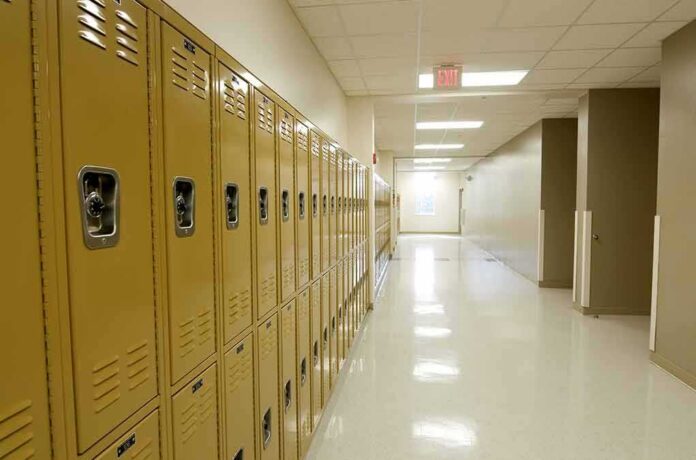
Brooke County Schools said it learned Tuesday of a criminal probe into a recording device in a Brooke High School locker room. District security staff and central office leaders worked with law enforcement to find and remove devices from the high school. The superintendent removed the principal from the school the next day. Local and regional outlets reported the devices were in girls’ locker room areas, which triggered a fast response from police and the district.
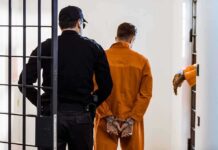
Authorities later arrested Principal Eric James, 53, and booked him on felony charges tied to intercepting or trying to intercept electronic communications, according to local reporting and court documents described by media. One outlet reported a complaint stating the principal admitted planting four hidden cameras and noted multiple search warrants were served during the investigation. As with any criminal case, the charges are allegations until proven in court.
How the School District Responded
District leaders said they cooperated with police and took the devices out of service once found. The superintendent removed the principal from the building during the inquiry and placed him on suspension, according to initial reports. School districts often take these steps to protect students and preserve evidence. The actions also aim to restore a sense of safety on campus while investigators review what happened and who might have been affected.
The district’s early statement focused on immediate safety and law enforcement support. That message matches best practice after a serious privacy breach. Leaders usually keep updates brief to avoid harming an active case. Parents often want more, but investigators must confirm facts and secure digital evidence before releasing details. That careful pace can feel slow, yet it helps prosecutors build a case that can stand up in court.
What the Charges Mean and Why This Case Alarms Families
State and federal laws treat locker rooms and changing areas as high-privacy spaces. Legal reviews note that modern voyeurism and electronic interception laws often cover locker rooms and restrooms because people expect privacy there. The alleged use of hidden cameras in those spaces strikes at a core promise schools make to families: that children can change for class or sports without fear of being watched or recorded.
Parents across the spectrum share that concern. Conservatives point to failures of leadership and lax oversight. Liberals focus on the harm to vulnerable students and the need for stronger student protections. Both sides agree the system should prevent abuse by insiders. When the person in charge is the accused, trust in the institution takes a hard hit. That loss of faith fuels a broader belief that public systems protect themselves before they protect people.
Lawsuits, Accountability, and Next Steps
A Brooke High student sued the county school board and the former principal after reports that hidden cameras recorded minor girls in locker room and changing areas. Reporting also mentions a proposed class action as families seek answers and damages. Civil suits can force discovery, timelines, and audits that reveal how a breach happened and what checks failed. Those cases often push districts to add safeguards faster than internal reviews alone.
Expect investigators to trace how many devices were used, when they were placed, what they recorded, and whether any files were shared. Schools often respond by auditing all locker rooms and restrooms, adding routine sweeps for devices, tightening key and camera access logs, and separating who installs, monitors, and reviews any security tech. Clear rules, vendor vetting, and random inspections help close gaps. Parents should ask for a written plan and public progress reports.
Why This Matters Beyond One School
This case highlights a real and separate threat from the national debates over locker room access. Research on locker room access policies for transgender students addresses inclusion and safety, while hidden-camera abuse is a criminal privacy invasion. Those are distinct issues, even though they involve the same spaces. The law already treats these rooms as places where privacy is expected and must be protected. Strong, even-handed oversight protects every student.
Sources:
nypost.com, foxnews.com, wtov9.com, weirtondailytimes.com, wowt.com
© whatnewsdaily.com 2026. All rights reserved.