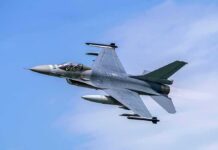


Iran’s latest claim that it wiped out US jets in Jordan with missiles and drones shows how a shadow war between governments is turning into a direct clash that most ordinary Americans and Jordanians never asked for.
Story Snapshot
- Iran’s Revolutionary Guard Corps says it destroyed US refueling aircraft and fighter jets at a base in Jordan using missiles and drones.
- Iran also claims to have hit command centers and hangars at Al-Azraq and Prince Hassan air bases as retaliation for recent US strikes.
- Jordanian officials say they intercepted most incoming missiles, report no damage to bases, and offer no proof of destroyed US aircraft.
- The episode fits a wider pattern of dramatic Iranian claims and limited confirmed damage, highlighting a dangerous mix of real weapons and information warfare.
IRGC says missiles and drones destroyed US jets in Jordan
Iran’s Islamic Revolutionary Guard Corps says its forces launched ballistic missiles and drones at US-linked bases in Jordan and destroyed several American refueling aircraft and fighter jets. The Guard’s statement, carried by Iranian outlets, describes “two waves” of strikes on aircraft and tankers stationed in Jordan, claiming “serious damage” to many more jets. Separate statements say 10 to 12 ballistic missiles hit Al-Azraq Air Base and a US command center, destroying facilities and shelters for advanced jets like F-35s, F-15s, and F-16s. Iranian media also highlight claimed hits on hangars for MQ-9 drones and a command-and-control hub at Prince Hassan Air Base.
Iran frames these attacks as direct retaliation for recent US strikes on Iranian territory and infrastructure around the Strait of Hormuz. IRGC statements say earlier American operations hit coastal facilities, communications towers, and even recreational and industrial sites near Tehran. In response, Iran says its “aerospace force” used long-range solid-fuel missiles and large drone swarms to punish what it calls “aggressive” US forces. Official language from the Guard warns that if Washington continues, more US bases across the region “will not be spared” from heavy fire. The group also urges Jordanians to rise up against what it calls “anti-Islamic Americans” and their presence on Jordanian soil.
Jordan’s version: missiles intercepted, no confirmed aircraft losses
Jordan’s military gives a very different picture of what happened over its territory. Officials say air defense systems intercepted most of the missiles launched from Iran, reporting eight to twenty downed projectiles in different waves of attacks, with no casualties and no confirmed damage to US bases. State media describe sirens sounding as missiles entered Jordanian airspace, followed by interceptions that left debris but spared key facilities. Earlier attacks in the same war saw Jordanian forces and US units intercept dozens of missiles and drones aimed at Al-Azraq, with only minor material damage reported. So far, Jordan has not confirmed that any US jets, drones, or refueling planes were destroyed on its soil, despite Iran’s detailed claims about specific aircraft models and hangars.
Regional and independent reporting backs up Jordan’s focus on interceptions and limited impact. A wider review of the 2026 Iranian strikes on Jordan notes that several projectiles crossed into the kingdom but were mostly shot down by Jordanian and US forces. Researchers tracking the war say more than 240 missiles and drones have been intercepted over Jordan since the conflict began. These sources describe some injuries from falling debris, but not large losses of US hardware inside Jordan. Fact-checkers who have studied similar Iranian announcements in Kuwait and Bahrain say the pattern repeats: bold claims that bases and aircraft were “destroyed,” yet no independent evidence of major damage or US casualties.
A growing mix of hard power and information warfare
Analysts who watch this conflict say these strikes are not just about missiles and drones; they are also about shaping what people believe. Studies of Iran’s actions toward Jordan from 2024 to 2026 show a steady move toward hybrid warfare, where real attacks come wrapped in intense propaganda. Iranian outlets push dramatic footage and sweeping claims of destroyed jets and bases, often using edited or recycled video to reach audiences in Jordan and across the region. This media campaign aims to prove Iran can hit US assets, boost support at home, and pressure governments that host American forces, including Jordan.
This pattern matters for Americans who feel their government is more focused on far-off wars than on fixing problems at home. While Washington and Tehran trade strikes and threats, ordinary people see higher energy prices, unstable markets, and the risk of a wider Middle East war that could drag the United States even deeper into conflict. The same events fuel anger on both the right and the left: conservatives see endless foreign entanglements and costs, while liberals see growing danger to civilians and little progress toward peace. In the middle sit countries like Jordan, caught between Iranian pressure and US military plans, trying to protect their own citizens as larger powers fight over bases and airspace.
Sources:
insiderpaper.com, iranintl.com, middleeastmonitor.com, aninews.in, arabtimesonline.com, economictimes.indiatimes.com, english.news.cn, wanaen.com, youtube.com, facebook.com, nampa.org, aljazeera.com, en.wikipedia.org, jinsa.org, igsda.org, english.mathrubhumi.com, ynetnews.com
© whatnewsdaily.com 2026. All rights reserved.