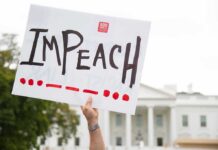

In Madison, a protest movement born from a deadly police shooting is now testing how far anger and “accountability” can go before it starts to choke off everyday life for neighbors and local businesses.
Story Snapshot
- A police shooting of Corey Ruiz is under active homicide investigation by the Wisconsin Department of Justice, fueling intense protests and demands for officer accountability.
- Demonstrators have disrupted official press conferences, vowed to occupy intersections, and shut down public events, pushing their tactics beyond simple peaceful vigils.
- City leaders, including Wisconsin’s governor, call for transparency and reform, while many residents worry basic order, commerce, and civic life are being sacrificed.
- The clash reflects a deeper national frustration: people across the spectrum feel both police and politicians are failing them, leaving communities stuck between fear of violence and mistrust of the system.
A deadly shooting and a fast-rising protest campaign
On Madison’s east side, a daytime encounter between police and 38-year-old Corey Ruiz ended with Ruiz tased, taken to the ground, and then shot multiple times at close range, including in the face, in front of many witnesses. State officials say Ruiz injured an officer with a knife during a struggle, and the Wisconsin Department of Justice’s Division of Criminal Investigation is now treating the case as an open homicide investigation. Four officers were placed on administrative leave, and the final charging decision will go to the Dane County district attorney after the investigation.
Within hours, video of the shooting spread on social media, and grief quickly turned into organized protest. Vigils grew at the intersection where Ruiz was shot, with speakers promising to “occupy this space” until the officer who fired is arrested and calling for Madison police to finally adopt body cameras. Civil rights attorney Ben Crump, representing the Ruiz family, described the killing as an “execution” and urged criminal charges. State leaders, including Governor Tony Evers, publicly demanded “transparency and accountability” from law enforcement.
Protest tactics move from vigils to disruption
By the second and third nights, demonstrations had shifted from quiet memorials into sustained marches through downtown Madison and near the police department. Protesters interrupted and then took over a city press conference, grabbing microphones and blocking officials from finishing prepared remarks while chanting for the officer’s arrest and broader police reform. Some organizers said they would occupy the intersection until the officer who fired his weapon is jailed, and they pressed for independent oversight and mandatory body cameras at one of Wisconsin’s largest departments.
As crowds grew, the impact spread into civic life and commerce. Hundreds of people clustered at the shooting site and surrounding streets, contributing to road closures and traffic problems near local shops and bars. Protesters marched to the state Capitol and disrupted a popular summer concert series on the Capitol square, effectively shutting down the event as they rallied for the officer’s name and punishment. The Madison Public Market and other planned summer activities announced closures or cancellations as city leaders tried to manage rising tension and safety concerns.
Shared anger at the system, but real strain on neighbors
Many protesters argue their disruption is the only way to force change in a system they see as stacked against ordinary people, especially Black residents facing police violence. Demonstrators say they will continue marching until a charging decision is made, insisting that calm and “business as usual” have long covered up injustice. For some left-leaning activists, the case proves again that powerful institutions protect officers first and the public last, and that without loud pressure, investigations can fade into quiet internal reviews.
At the same time, many residents and business owners see familiar patterns that worry both conservatives and liberals who think government is failing them. Streets blocked night after night, press briefings turned into shouting matches, and signature events canceled all feed the sense that ordinary people pay the price while officials, lawyers, and activists fight over the narrative. Reports from other outlets show protesters blocking customers from entering bars, adding to fears that a movement for justice is starting to feel like harassment to people just trying to work and live in the city.
A deeper crisis of trust in policing and politics
The Madison unrest fits a broader national pattern where a police killing quickly becomes a public trial of the entire system long before investigators finish their work. On one side are residents and families who have seen too many questionable shootings and who no longer trust internal reviews or political promises. On the other side are neighbors, workers, and small business owners who feel caught in the crossfire, squeezed by both heavy-handed policing and disruptive protest tactics, with little real help from city or state leaders.
For many older conservatives and liberals alike, this moment reinforces one core belief: the people at the top are not fixing the problems. Police still lack basic safeguards like body cameras in a major city, elected officials talk about reform but leave communities to absorb the fallout, and accountability debates play out in front of shuttered markets and canceled concerts. Whether readers side more with angry demonstrators or exhausted shop owners, the Madison story underscores how far trust in both law enforcement and government has eroded—and how quickly that mistrust now spills into the streets.
Sources:
townhall.com, cnn.com, youtube.com, wisn.com, straitstimes.com, wsws.org, usatoday.com
© whatnewsdaily.com 2026. All rights reserved.