

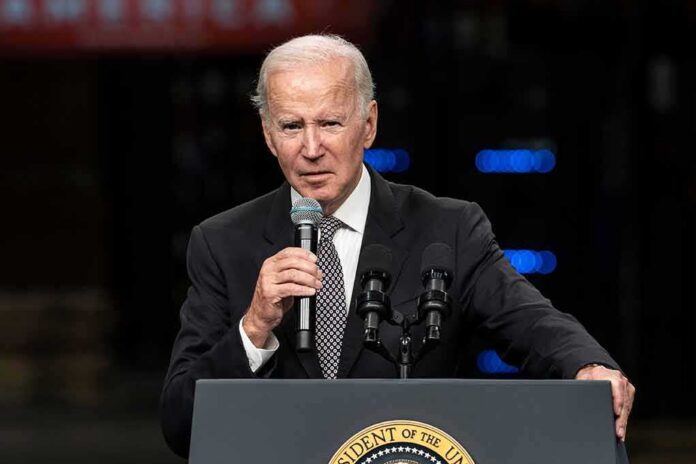
Newly released tapes of Joe Biden’s memoir interviews show him talking about “classified stuff downstairs” with his ghostwriter, turning a private book project into another flashpoint over secrecy, power, and trust in Washington.
Story Snapshot
- Biden’s 2016–2017 ghostwriter interviews were used as evidence in a classified-documents investigation.
- On tape, Biden mentions finding “classified stuff” at home and warns “some of this may be classified.”
- Courts ruled that public interest outweighed Biden’s privacy claims, clearing the way for release.
- The tapes raise fresh questions about elites, secrecy, and whether the system holds leaders fully accountable.
What the Biden Ghostwriter Tapes Actually Show
The tapes come from long interviews Joe Biden did in 2016 and 2017 with writer Mark Zwonitzer while working on his memoir “Promise Me, Dad.” Biden kept detailed notebooks from his time as vice president, including notes about foreign policy and Afghanistan. Special Counsel Robert Hur later found that some notebook entries contained classified information, and that Biden sometimes read them aloud “almost verbatim” to his ghostwriter. Hur treated these recordings as key evidence in his review of Biden’s handling of sensitive documents.
In one 2017 session, after leaving the vice presidency, Biden said on tape, “I just found all the classified stuff downstairs,” referring to volumes of notes he kept at home. In another clip, he told his ghostwriter, “Some of this may be classified, so be careful,” and admitted he was “not sure” because the notes were not marked. Hur’s report concluded that at least three times Biden read from notebook entries that were classified, even as he skipped other parts he thought might be sensitive.
How These Private Interviews Became a Public Legal Fight
The Justice Department collected the ghostwriter tapes as part of its 2022–2023 investigation after Biden reported finding classified documents at his Delaware home. Hur ultimately decided not to charge Biden, saying the evidence did not prove criminal intent beyond a reasonable doubt. However, the tapes did not stay buried in a case file. The conservative Heritage Foundation’s Oversight Project sued under the Freedom of Information Act to obtain them, arguing the public had a right to hear how a former vice president talked about classified material in private.
Biden’s lawyers fought release for years, calling the interviews “candid” and meant to remain private. They said the Justice Department itself once claimed the tapes “serve no public interest.” A federal district judge who listened to the recordings disagreed, ruling that the department could release redacted versions to the Heritage Foundation and to Congress. A divided appeals panel later found, by a 2–1 vote, that public interest in the redacted tapes and transcripts outweighed Biden’s remaining privacy concerns, clearing the path for wider disclosure.
Memory Questions, Classified Concerns, and a Distrustful Public
Hur’s report did more than examine documents; it also described Biden as an “elderly man with a poor memory,” and noted the recordings captured him sounding slow at times and struggling to recall details. Some outlets say the 70 hours of audio show Biden frequently pausing, speaking haltingly, and missing dates, while also showing command of many events from his past. Critics argue this backs a narrative of cognitive decline. Supporters point out Hur still declined to bring charges and did not find intent to break the law.
"Joe Biden didn't want these tapes to come out."
Former President Joe Biden's recorded conversations with his memoir ghostwriter, obtained during Special Counsel Robert Hur's classified documents investigation, have finally been released after a more than two-year FOIA battle. pic.twitter.com/C0R4PPgl6Z
— Lisa Brooklyn (@LisaBrooklnvsk) July 28, 2026
On substance, the tapes sit at a tense intersection: classified information rules, questions about a leader’s mental sharpness, and fights over who controls government records. Conservatives see proof that a powerful insider casually talked about “classified stuff” at home and then tried to keep the tapes hidden. Liberals worry that a private grieving father, speaking for a book about his late son, had his words turned into a political weapon. Both sides share a deeper frustration: elites in Washington seem to play by different rules than everyone else.
The case also shows how tools meant for public transparency can feed broader anger at government. Freedom of Information Act lawsuits and court orders forced the Justice Department to treat these memoir interviews as public records with accountability value, not just personal conversations. Yet many citizens now feel that every new release proves the same old lesson: powerful people guard their secrets until courts or watchdogs pry them loose, and even then, much is redacted. The Biden tapes may not change the law, but they add one more example that fuels distrust of the “deep state” and of political elites across party lines.
Sources:
foxnews.com, npr.org, washingtonexaminer.com, townhall.com, politico.com, axios.com, en.wikipedia.org, cnn.com, youtube.com
© whatnewsdaily.com 2026. All rights reserved.