
President Trump ordered the Pentagon to substantially reduce U.S.–South Korea military drills, calling them costly and needlessly hostile toward North Korea.
Story Snapshot
- Trump directed a significant scale-back of joint drills with South Korea, citing cost and signaling concerns.
- The move echoes prior suspensions in 2018, when planning for major exercises was halted after his directive.
- Reports indicate large drills may pause while smaller training can continue to sustain readiness.
- The change lands amid long-running debate over deterrence versus diplomacy on the peninsula.
What The President Ordered And Why It Matters
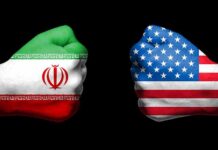
On Sunday, President Trump told the Pentagon to “substantially reduce” joint military exercises with South Korea. He said the drills are expensive and send a “totally inappropriate and hostile” signal to North Korea. The order shifts a core feature of U.S. posture in Asia. It also reprises a message he has used before: reduce costs and lower the temperature while talks with Kim Jong-un remain a goal.
The administration has set this frame before. In 2018, the Pentagon said it had suspended planning for the large Ulchi Freedom Guardian exercise, calling the step consistent with Trump’s promise and coordinated with South Korea. Trump also described the drills then as “very expensive” and “provocative.” That history shows the current order tracks a known policy line rather than a sudden break with past practice under his leadership.
What Changes On The Ground
Defense reporting has shown that when large field exercises pause, smaller-scale or command post training can continue. Those events help maintain some readiness and alliance coordination. They also lower the public profile that North Korea labels as hostile. This pattern suggests the new direction may trim the biggest drills while keeping routine training, though the documents detailing scope and timing were not provided in the reports cited.
The decision lands inside a long-running tug-of-war. Supporters argue that cutting large, public drills can open space for talks and save money. Critics say steady combined training underwrites “fight tonight” readiness and signals resolve to allies and adversaries alike. Reporting on this announcement described that same split: the White House stressed cost and signaling, while many observers flagged deterrence and alliance credibility risks.
How This Fits The Alliance And The Region
U.S. and South Korean forces have used combined drills for decades to test plans, share intelligence, and practice complex tasks. Analysts note these exercises have been scaled, renamed, or paused at points, sometimes to support diplomacy. The record shows both choices carry trade-offs: easing drills can reduce tensions, but steady training is often described as vital for interoperability and deterrence in a dangerous neighborhood.
The United States’ military drills with South Korea have long served as an annual demonstration of American commitment to its key ally’s security. But the exercises were thrown into confusion after President Trump called for them to be scaled back hours before they began.…
— NBC News (@NBCNews) August 17, 2026
The political reaction follows familiar lines at home. Republicans in Congress largely back President Trump’s effort to tighten spending and reduce what they view as provocative shows of force. Democrats warn that easing pressure rewards a hostile regime and may unsettle allies who count on clear U.S. commitments. Both sides, however, share a voter base tired of high costs and foreign policy that can feel ad hoc and elite-driven. This move will be judged on outcomes more than rhetoric.
What To Watch Next
Watch for formal guidance from the Department of Defense and U.S. Forces Korea that defines which drills are reduced and which remain. Look for South Korea’s public position on scope and timing. Track any North Korean missile activity or diplomatic outreach, which many will link—fairly or not—to this change. Finally, note whether Congress seeks exercise cost data or hearings that press the Pentagon to show savings and protect core readiness.
Sources:
cbsnews.com, abcnews.com, cnbc.com, military.com, theguardian.com, yahoo.com, inss.re.kr
© whatnewsdaily.com 2026. All rights reserved.