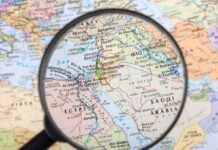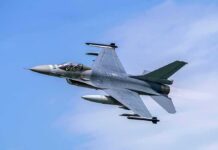

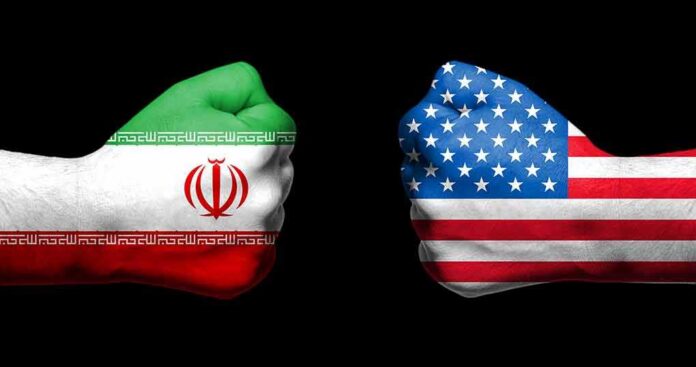
Two commercial ships were attacked in the Strait of Hormuz, and Washington and Tehran now trade strikes and warnings over a waterway the world depends on.
Story Snapshot
- U.S. Central Command blamed Iranian forces for recent shipping attacks and launched strikes in response.
- Iranian outlets said Revolutionary Guard forces hit multiple “noncompliant” vessels and warned ships off certain routes.
- President Trump ordered a naval blockade on Iranian ports as tensions escalated.
- Global law protects “transit passage” in the strait, but enforcement is contested and fragile.
What Happened and Why It Matters
United States Central Command said Iranian forces attacked commercial shipping and violated a ceasefire. It called recent U.S. strikes a direct response to those attacks in the Strait of Hormuz. Iranian state media countered that Iran’s Revolutionary Guard struck ships using an “unauthorized” route and warned others not to follow it. These claims pull the same lever: control of a narrow passage that carries key oil and goods. When ships are hit, energy prices wobble, and insurance costs jump fast.
President Trump directed the military to keep blocking maritime traffic in and out of Iranian ports. United States Central Command said the blockade will continue and that forces are guiding other traffic through the area. Supporters say this shows resolve and protects global trade. Critics fear mission creep, higher costs, and a wider fight that could drain U.S. resources. Both sides watch pump prices and shipping delays, which hit families and small firms first.
Competing Claims on Responsibility
U.S. officials point to specific incidents and reject Tehran’s denials. Central Command framed its strikes as a “powerful response” to an attack on a transiting ship. Iranian channels said their forces hit several vessels after U.S. strikes on Iranian tankers and insisted some routes were unsafe or barred. This duel fits a pattern in Gulf crises: hard moves come first, and clear proof often lags. Each side uses maritime friction to shape leverage at the lowest cost.
Iranian reporting also pushed a mine narrative in one case, while U.S. officials disputed it in others in recent weeks. The back-and-forth keeps the public record mixed and slow to settle. That delay does not stop the pressure. Ship owners reroute, charter rates rise, and insurers add war surcharges. Ordinary people then face higher fuel and goods costs at home. The immediate winners are the actors who can move markets with a few missiles or drones.
The Law, the Blockade, and the Risks
International sea law protects “transit passage” through straits like Hormuz for all ships. That norm is meant to prevent choke-point politics and keep trade flowing even in tense times. Iran challenges routing and permissions inside the strait, while the United States backs open passage and now runs a blockade aimed at Iran’s ports, not global traffic. The legal gap creates room for brinkmanship and claims that confuse shippers and raise stakes for navies at sea.
For Americans across the political spectrum, the stakes feel familiar. Years of war cycles, mixed messages, and elite decisions have raised costs at home. Conservatives see risk to energy security and the return of higher prices. Liberals see danger of a broader war and harm to workers who pay the bill. Both see a system that answers slow and often seems to protect insiders first. Clear goals, tight rules, and honest timelines are now essential to avoid another open-ended burden.
Sources:
cbsnews.com, reuters.com, thenationalnews.com
© whatnewsdaily.com 2026. All rights reserved.