
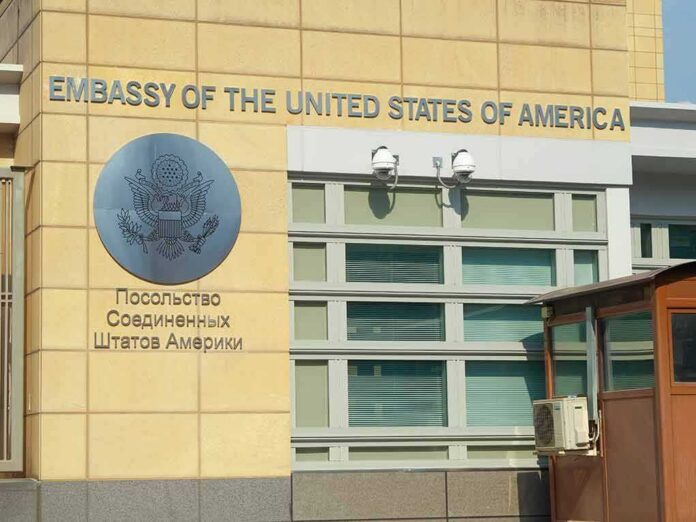
The State Department confirmed a worldwide schedule shift for immigrant visa interviews to complete new screening training for consular officers.
Story Snapshot
- The State Department launched global training and adjusted immigrant visa appointments at embassies and consulates.
- Applicants with existing interviews received rescheduling notices from posts.
- The training follows earlier limits on visa issuance for nationals from countries flagged for public-benefit risk.
- Similar consular pauses have occurred for operational or security reasons at several posts in 2026.
What The Government Announced And How It Affects Interviews
The United States State Department said it began a global training effort at all embassies and consulates and will adjust visa service appointments to fit that schedule. Officials described the training as in-depth and aimed at more consistent screening. Embassies continued some interview operations, but many immigrant visa applicants saw their dates moved. The Department’s own visa news page shows routine updates to consular operations, which often include temporary service changes. The agency did not post a firm end date for the adjustments.
News outlets reported that applicants with scheduled immigrant visa interviews received emails saying their appointments were rescheduled and that new dates would follow. Some coverage framed the shift as a pause in appointments while officers complete the training. The core point remains the same for families waiting in line: posts are changing calendars, and applicants must watch for new interview notices. The Department has not published a global tally of how many cases moved.
Why The Training Ties To “Public Charge” Screening
The Department’s earlier guidance paused immigrant visa issuances for nationals of countries flagged as high risk for public benefits usage, describing a review of issuance procedures and a focus on screening for likely reliance on public support. That policy backdrop explains why officers are now training on consistent assessments. The training aims to align how consular staff review financial support, work history, and family resources across posts. That push supports more uniform decisions, but it can slow interviews during rollout.
Interviews and issuances are not the same step. Some posts may still conduct limited interviews while issuance remains restricted for certain nationalities, depending on local guidance and case status. This distinction helps explain mixed reports on what exactly is paused. Applicants can face a rescheduled interview even if the underlying policy focuses on issuance rules. Without a central count, the scale of impact across regions is unclear, but local notices confirm calendar changes in many places.
How This Fits A Pattern Of Consular Operations
The State Department often adjusts visa services for training, security, or staffing needs. In 2026, official notices documented temporary pauses at posts such as Juba, Kinshasa, and Kampala, showing that rescheduling and limited operations are standard administrative tools. The current global training shares that administrative DNA, though the scope is wider. Wide scope raises stakes for families and employers who plan around interview dates, flights, and document validity windows.
Because Washington set the training for every embassy and consulate, messaging matters. Clear notices help applicants avoid missed appointments and extra costs. The Department’s general visa news page shows ongoing updates, but country-level pages and email alerts carry the most practical details for each case. Applicants should check post websites, watch their email, and keep civil documents current. Medical exams and police certificates can expire, so timing those steps after new interview dates can prevent repeat costs.
What People Across The Political Spectrum Care About
Supporters of stricter screening see the training as a win for fairness and self-reliance standards. They argue that taxpayers should not underwrite new arrivals who cannot support themselves. Critics worry the government is moving the goalposts and slowing legal immigration for working families. Both sides share a concern: a federal system that often changes rules with little warning and limited transparency. When calendars shift worldwide, regular people feel the squeeze while insiders face few consequences.
🚨JUST IN🚨
The Trump administration has ordered U.S. embassies and consulates worldwide to PAUSE immigrant visa interviews while consular officers undergo training on updated public-charge guidelines.
This has temporarily paused applications already at the interview stage.…
— Breanna Morello (@BreannaMorello) August 26, 2026
For now, the facts are firm. The State Department launched a global training initiative and adjusted immigrant visa appointments to fit it. Applicants with interviews received rescheduling notices from posts. Earlier guidance tied to public-benefit risk explains the focus of the training and the pressure on issuance decisions. This is a policy lever the Department uses, and it tends to hit families, small businesses, and sponsors hardest when notice is short and timelines are vague.
Sources:
thegatewaypundit.com, travel.state.gov, jdsupra.com, foxnews.com
© whatnewsdaily.com 2026. All rights reserved.