
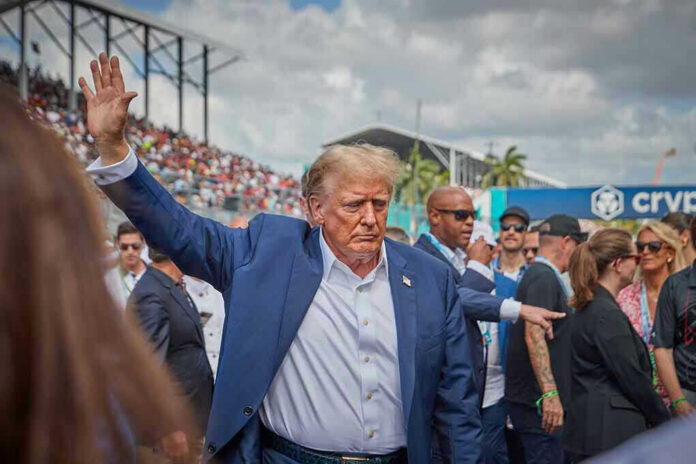
At the NATO summit in Turkey, President Donald Trump said he is “number one on the kill list for Iran,” underscoring the stakes of America’s fight against the regime and the need for firm resolve.
Story Snapshot
- Trump says Iran has targeted him personally and vows to stay the course.
- U.S. and Israel carried out major strikes on Iran earlier this year, with reported battlefield gains.
- Iran-linked figures claim heavy U.S. losses, which Washington has not confirmed.
- Allies have debated how much support to provide in Gulf security operations.
Trump’s Claim at NATO: Direct Threat from Iran
President Donald Trump told reporters at the NATO summit in Turkey that he is “number one on the kill list for Iran,” framing the regime as an active threat to U.S. leaders and interests. He made the remark when asked about travel and security. The claim highlights the seriousness of Tehran’s intent and the risks borne by U.S. decision makers. The statement also aimed to rally alliance attention on Iran’s behavior, even as European partners split over roles and commitments in the region.
Trump’s comments fit a larger message: the United States will not bend under pressure or threats from a hostile regime. He paired the warning with his view that Iran’s forces and resources have taken major hits since joint U.S.-Israel strikes earlier this year. That framing reinforces a core conservative priority: peace through strength, backed by credible force. It also reminds allies that threats to U.S. leaders are threats to the free world’s leadership and security posture.
Strikes on Iran and Reported Battlefield Results
On February 28, U.S. and Israeli forces launched large strikes on Iranian military and government targets after months of tensions and proxy attacks, with officials later describing notable battlefield gains against Iran’s capabilities. Analysts cited by public reporting said the campaign achieved significant military effects, though open-source assessments vary by sector and timing. These operations were meant to reset deterrence and curb Iran’s reach, including threats to shipping lanes and regional partners who face missile and drone attacks.
The administration’s message stresses that pressure has costs for Tehran. Claims from Iranian-linked voices have tried to flip that picture, alleging heavy U.S. losses, which U.S. officials have not verified. That information contest is common in conflict. For citizens at home, one measure remains clear: the United States must keep supply lines secure, protect troops, and ensure that American energy and trade are not held hostage by a hostile regime that targets leaders and civilians alike.
Alliance Friction and Gulf Security Debates
Trump pressed allies for more help guarding vital waterways, including the Strait of Hormuz, yet several European partners resisted deeper roles, citing political and military concerns. That gap matters. Reliable coalition support lowers U.S. costs, eases strain on sailors and air crews, and deters attacks on tankers that move energy to global markets. When allies hesitate, Washington shoulders more of the burden to keep sea lanes open and to respond quickly if Iran or its proxies test limits.
Conservatives see a lesson here. The United States leads best when others follow with real assets, not words. When partners decline, Washington must still defend core interests, but it should also tie future security guarantees to fair burden sharing. Protecting American families from higher pump prices and inflation begins with firm control of energy routes and the means to punish attacks that raise shipping insurance and choke supply chains.
Competing Claims, Clear Priorities
Tehran and its media have denied or downplayed U.S. accounts while pushing their own numbers and narratives, including on casualties and ceasefire chatter. That is expected in wartime messaging. For readers, the key facts are simpler. The United States and Israel struck hard. Field reporting says those strikes produced real military effects. Iran-linked voices claim otherwise. The White House says it will keep pressure on until threats to Americans, our allies, and global trade are reduced in a lasting way.
Speaking at the NATO summit, Donald Trump said he is “number one on the kill list for Iran,” adding that there is a 5.2 percent risk, but that he does not “really care.” pic.twitter.com/TS7Hedr2Ce
— Channel 8 English (@Channel8English) July 8, 2026
Trump’s claim that he sits atop Iran’s kill list underscores why vigilance is not optional. The Constitution charges our leaders to defend the nation. That means deterring assassinations, stopping terror proxies, and keeping the world’s choke points open. America can welcome allied help, but it cannot wait for permission to act. The path forward is the same one that works: rebuild strength, back our troops, deny Iran safe harbor, and make every attack cost the regime more than it can bear.
Sources:
pbs.org, nbcnews.com, abcnews.com, abc7news.com, facebook.com, scrippsnews.com
© whatnewsdaily.com 2026. All rights reserved.