
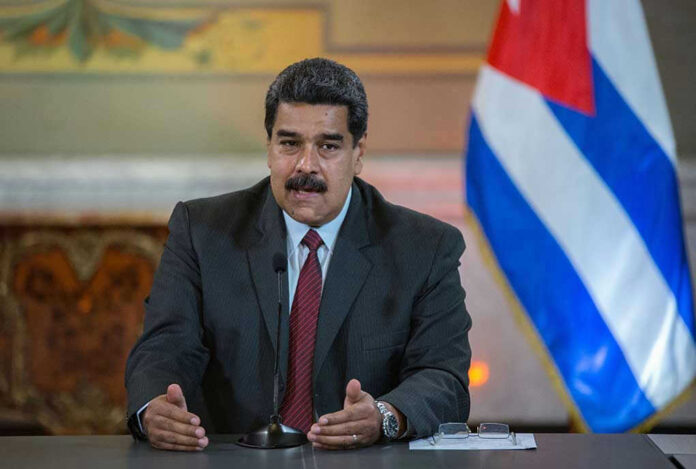
The dramatic capture of Venezuelan President Nicolás Maduro unfolds as he arrives in New York City to face federal charges, raising questions about international law and justice.
Story Snapshot
- US military operation captures Maduro in Venezuela, bringing him to New York for trial.
- Charges include narco-terrorism and cocaine trafficking.
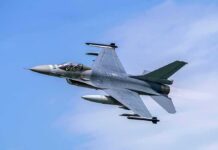
- Operation involved over 150 aircraft and special forces.
- Immediate processing and arraignment expected in NYC.
Unprecedented Capture of a Sitting Head of State
Nicolás Maduro’s capture marks a significant moment in international law enforcement, as the US executed a bold military operation to bring a sitting head of state to justice. On the night of January 2-3, 2026, US forces launched a meticulously planned raid in Caracas, targeting key sites and capturing Maduro, his wife Cilia Flores, and reportedly his son. The operation underscores a hardline stance against narco-terrorism, a move with unprecedented international ramifications.
The captured individuals were initially held aboard the USS Iwo Jima and later transferred to Guantanamo Bay, before being flown to Stewart Air National Guard Base in New York. The footage of their escorted disembarkation by US personnel highlights the speed and scale of the operation. DEA Administrator Terry Cole personally arrested Maduro on US soil, setting the stage for an extraordinary legal battle in the Southern District of New York.
Background of the Charges Against Maduro
Maduro has been under US indictment since 2020, accused of using cocaine trafficking to finance his regime through alliances with Colombian cartels and guerrillas. His presidency has been marred by disputed elections, economic collapse, and international condemnation. The US previously recognized opposition leader Edmundo González as Venezuela’s interim president, further complicating the political landscape.
The charges against Maduro are extensive, including narco-terrorism conspiracy and possession of destructive devices. This legal action follows years of tensions between the US and Venezuela, with the Trump administration issuing an ultimatum for Maduro to step down or face consequences. The operation’s success reflects a robust American resolve to combat drug-related threats to national and regional security.
Impact and Reactions to the Capture
The immediate impact of Maduro’s capture is significant, potentially creating a power vacuum in Venezuela and sparking political unrest. Pro-Maduro protests have erupted in New York City, with demonstrators claiming the operation was an act of kidnapping. These protests highlight the deep divisions within the Venezuelan diaspora and the broader geopolitical implications of the US’s actions.
Economically, the disruption of Venezuela’s drug trade could have far-reaching consequences, affecting oil and cocaine flows and leading to potential sanctions relief in exchange for political transition. Socially, the operation has polarized communities, with supporters and detractors of the Maduro regime clashing over his legitimacy and the circumstances of his capture.
Legal and Political Ramifications
The trial of Nicolás Maduro in New York sets a new precedent for holding foreign leaders accountable for criminal activities. It sends a strong message to narco-states and reinforces the US’s commitment to fighting drug trafficking and terrorism. However, it also raises questions about sovereignty and the limits of American intervention in foreign affairs.
The operation’s success strengthens the Trump administration’s regional influence, but it also risks escalating tensions with Venezuela’s allies, such as Russia and Cuba, who have remained notably silent. The outcome of this trial could redefine international norms regarding the prosecution of foreign leaders and the global war on drugs.