
SOUTHCOM says a U.S. task force destroyed a Caribbean drug boat and killed alleged narco-terrorists in a precise strike.
Story Snapshot
- U.S. Southern Command reported a lethal strike on a go-fast drug boat in the Caribbean.
- Joint Task Force Western Hemisphere carried out the operation, killing multiple suspects.
- Media and rights groups questioned public evidence and raised due process concerns.
- The strike reflects a shift from board-and-seize tactics to stand-off lethal force.
SOUTHCOM Details the Caribbean Strike
U.S. Southern Command said Joint Task Force Western Hemisphere hit a fast boat on known trafficking routes on September 9. The command said confirmed intelligence tied the vessel to active drug smuggling. The strike killed people the command labeled narco-terrorists. The military did not release sensor feeds, cargo photos, or targeting packets. Officials framed the action as part of an ongoing effort to disrupt cartels that move deadly fentanyl and cocaine toward U.S. shores.
Reuters reported the Pentagon’s account of the event and confirmed the stated death toll. The report also noted that rights groups called recent boat strikes extrajudicial killings. That pushback centers on the lack of publicly shared evidence and the use of lethal force without boarding or arrest. SOUTHCOM has said intelligence was confirmed, but it did not publish specifics. The clash between operational secrecy and public proof continues to define this mission set.
What Makes This Approach Different
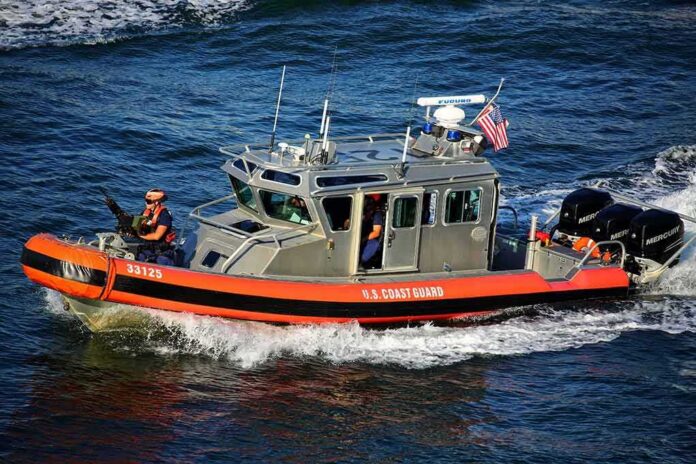
For decades, U.S. maritime counterdrug work relied on detection, pursuit, warning shots, disabling fire, and boarding. Coast Guard teams often seized drugs and arrested crews. Analysts say the current pattern marks a shift to striking vessels at sea without boarding. Legal and policy experts have tracked this as “unprecedented” in modern U.S. counterdrug practice, and they continue to debate the legal basis while the operations proceed under classified rules.
That contrast matters for accountability and deterrence. Boarding yields arrests, evidence chains, and courtroom results. Lethal strikes can erase a drug load and remove armed smugglers, but leave fewer photos, logs, and witnesses. Commanders say speedboats can outrun cutters and pose threats, so stand-off force reduces risk to U.S. crews. Critics say the government should still show more proof after the fact to maintain trust at home and abroad.
Questions Raised by Media and Advocates
CBS News reported that officials have not released proof the boat carried drugs in this case. The report said rights groups, fishermen, and relatives have questioned links to trafficking. It also cited concerns from some lawmakers who say drug flows remain high despite strikes. These questions do not undo the operation’s facts as stated by the military, but they press for transparency that many citizens want to see after lethal actions.
Conservative readers know cartels exploit weak borders and blue-water gaps. They move poison that wrecks families and fuels street crime. The military says this vessel fit known patterns, used a high-speed hull, and ran established routes. That picture aligns with tactics cartels use to dodge patrols. The public still deserves clear, lawful rules for force and as much post-strike detail as missions allow. Strong borders and strong laws need strong proof to keep broad support.
Why This Matters for Security and Sovereignty
Every cartel run that slips through feeds gangs, overdose deaths, and chaos in towns across America. Voters want fewer funerals and safer streets. Targeting traffickers at sea pushes the fight far from our shores, where loads are still concentrated and crews are exposed. If U.S. forces can hit smugglers before they scatter their cargo, they can cut the pipeline and save lives. SOUTHCOM says that is what happened here, with intelligence driving action.
Policy debates will continue in Congress and the courts. The core test is simple: protect Americans, obey the law, and show enough proof to keep faith with the public. Commanders must guard tactics and sources, but agencies can brief elected leaders and release unclassified summaries after strikes. That balance can uphold liberty and security at once. As cartels adapt, America must be faster and firmer, without losing our commitment to the Constitution.
Sources:
facebook.com, southcom.mil, foxnews.com, theepochtimes.com
© whatnewsdaily.com 2026. All rights reserved.