
U.S. forces hit Iranian military sites after Tehran fired on a commercial tanker, violating the new ceasefire deal.
Story Highlights
- Iran attacked a Panama-flagged tanker in the Strait of Hormuz, triggering U.S. strikes.
- President Trump said Iran broke the ceasefire and ordered targeted airstrikes on missile and drone sites.
- The June 2026 U.S.–Iran Memorandum of Understanding set clear ceasefire terms and shipping protections.
- Iran answered with missiles at U.S. sites in Bahrain and Kuwait, raising escalation risks.
What Triggered The Strikes In The Strait Of Hormuz
U.S. officials said Iran fired on a Panama-flagged oil tanker moving through the Strait of Hormuz. The ship carried a large crude load and sailed a key global route. The attack came days after a ceasefire deal. The Trump administration called the strike a clear breach. The White House said it would defend ships and crews in the strait. Global energy markets watched closely as traffic slowed and insurance costs rose.
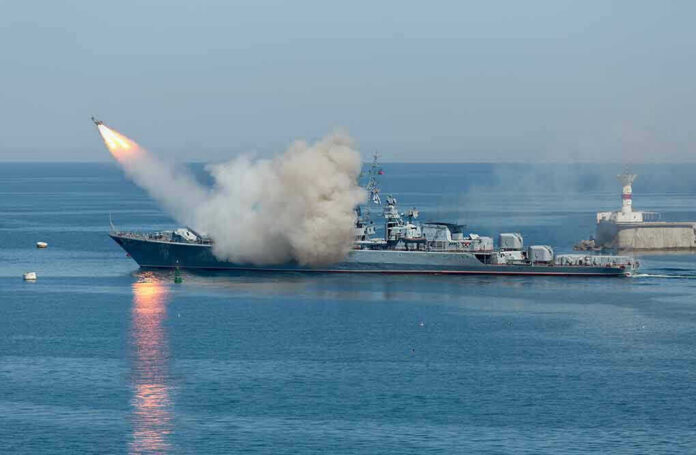
President Trump said Iran “took shots” at a ship and broke the deal. He directed the military to respond fast. U.S. forces struck Iranian missile and drone storage, radar, and support sites on Iran’s southern coast. The goal was to stop more launches and restore deterrence. Administration officials described the action as limited, precise, and defensive. They said the mission avoided civilian sites and targeted tools used to menace shipping.
What The Ceasefire Deal Actually Says
The June 2026 Memorandum of Understanding between the United States and Iran laid out a ceasefire and steps to cool the war. The text included commitments tied to ending attacks and protecting shipping lanes. The agreement also set timelines for diplomatic moves and relief measures if both sides complied. The document described a path to a broader deal if violence stopped. The public text confirms those guardrails on force and the plan to reduce tensions.
Policy analysts said the memorandum aimed to pause the fight and open talks. Advocates argued it could end a costly war if both sides honored it. Critics warned the deal gave Iran room to stall while keeping leverage. They urged strict enforcement and rapid response to violations. The tanker attack tested those promises within days. The United States framed its strikes as the enforcement tool the pact required when Iran crossed the line.
Iran’s Counterstrikes And Rising Risks
Iran’s leaders denied fault and then launched missiles and drones at U.S. and partner sites in Bahrain and Kuwait. Tehran claimed the action answered American strikes on its southern coast. Regional media reported alerts across several ports and bases. U.S. officials tracked launches and assessed damage while reinforcing defenses. The exchange showed how fast a narrow clash at sea can widen into a regional fight if not checked.
BREAKING 🚨
Trump confirms fresh U.S. airstrikes on Iran.
"United States aircraft just struck Iranian missile and drone storage locations, and coastal radar sites, for violating the Cease Fire Agreement, AGAIN!"
The strikes come after Iran allegedly targeted Bahrain with… pic.twitter.com/hy9BiIY6Vk
— Bullish with CryptoKSA (@cryptowithKSA) July 3, 2026
Reporting also noted explosions near Sirik and Qeshm on Iran’s coast tied to the U.S. strikes. Local outlets and international channels aired images of fires and intercepts in the night sky. Military sources described degraded Iranian radar and storage nodes after the missions. Analysts said precision hits on launch and control sites can curb near-term threats to ships. But they warned Iran still holds dispersed missile fleets that can be moved and rearmed.
Why This Matters For U.S. Security And Energy Costs
The Strait of Hormuz carries a large share of the world’s oil. Any attack on tankers threatens supply and raises prices for American families. Insurance rates jump, shippers reroute, and fuel costs rise at home. By hitting the systems used to target ships, the United States sought to keep the lanes open. The administration linked the strikes to safety at sea, stable prices, and clear red lines against state-backed attacks on trade.
Conservatives see a core principle at work: peace through strength. The United States cannot allow a regime to fire on civilian shipping and hide behind a ceasefire it just broke. The memorandum set terms. Iran tested them. The U.S. response showed consequences. That is how deterrence works. The alternative is drift, higher costs, and more danger for our sailors and our allies. Clear rules, enforced with resolve, protect American lives and economic security.
What Comes Next: Enforcement, Allies, And Guardrails
The administration said it will keep narrow military goals and push diplomacy if Iran stops attacks. U.S. partners in the Gulf want quick protection for ships and ports. They also want clear channels to prevent miscalculation. The ceasefire text remains the framework on paper. For it to hold, both sides must stop strikes and honor shipping protections. Until then, the United States plans to defend vessels and strike launch threats when needed.
Legal experts are reviewing how the memorandum handles violations and remedies. They point to clauses on use of force and third-party endorsements. They also note gaps that bad actors can exploit if monitoring is weak. Enforcement will likely decide if the deal survives. If Iran keeps firing on ships or bases, pressure will mount for broader action. If it stands down, talks may restart and sanctions relief steps could resume under the pact’s terms.
Sources:
theamericanconservative.com, npr.org, cnn.com, facebook.com, iranintl.com, defensepriorities.org
© whatnewsdaily.com 2026. All rights reserved.