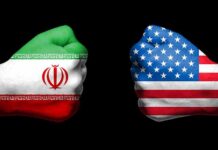

After new U.S. strikes hit more than 90 targets across Iran, Washington again claimed sweeping success while intelligence signaled only short-term setbacks for Tehran’s capabilities.
Story Snapshot
- U.S. forces struck scores of Iranian sites after attacks on ships and regional targets.
- The White House and President Trump touted decisive results against Iran’s programs.
- Early intelligence assessments indicated delays measured in months, not destruction.
- Escalation risks rose as Iran answered with regional strikes, widening the conflict.
What Triggered the Latest Wave of Strikes
United States leaders ordered fresh attacks after Iranian actions hit commercial shipping and threatened a fragile regional pause in fighting. Reports described American forces targeting dozens of sites tied to missiles, drones, and air defenses. United States Central Command said the operation hit about 90 targets across Iran’s south and coastal areas, aiming to blunt further attacks and reassert deterrence. The strikes followed earlier exchanges near the Strait of Hormuz and came amid rising concern over a broader war.
Tehran responded by launching missiles and drones at partners of the United States in the Gulf region, including sites in Kuwait and Bahrain, signaling that pressure on shipping lanes and bases would continue. The action-reaction cycle showed how each strike invited a response, with both sides framing their moves as defensive. Regional states warned of spillover, while energy markets and insurers tracked higher risk around key sea routes. This raised costs for trade and could push up consumer prices far from the Gulf.
Conflicting Claims About What Was Achieved
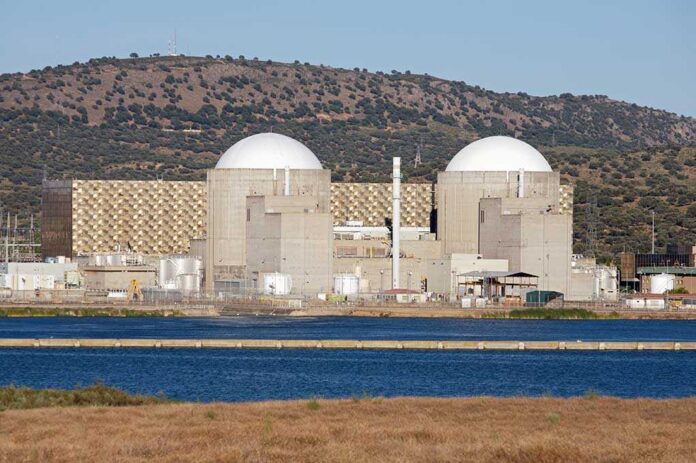
President Donald Trump repeated past claims of sweeping success against Iran’s strategic programs, pointing back to the 2025 operation that he said “obliterated” key nuclear sites. Pentagon and administration statements after that earlier strike echoed strong language about severe damage at Natanz, Fordow, and Isfahan, reinforcing a message of decisive action. The latest campaign extended that narrative, with officials stressing the number of targets hit and the precision of the strikes to argue that Iran’s capacity took a major hit.
Classified and leaked assessments painted a more cautious picture. Early evaluations after the 2025 strikes said Iran’s nuclear program was hurt but not dismantled, likely delayed by months instead of years. Congressional research summarized that the operation relied on air and sea-launched weapons and caused significant damage, but did not confirm total destruction. Follow-on reporting in 2026 said recent strikes again degraded stockpiles and infrastructure, but stopped short of eliminating Iran’s ability to rebuild. These gaps between rhetoric and analysis have fueled public doubt.
Why This Pattern Keeps Repeating
Leaders often claim total success after complex military actions because simple messages reassure allies and deter foes. Intelligence and technical reviews take longer and tend to be narrower, focusing on what was physically destroyed and how fast a program can recover. Past cases show this split: loud victory calls at first, followed by assessments that describe meaningful but limited effects. Analysts now say the Iran strikes fit that pattern, with real damage but no final end to the threat.
Iran has responded with its own strikes/drone attacks (including on US-linked sites in the region like Bahrain/Kuwait) and rhetoric about further escalation unless the US withdraws forces. Iranian statements frame this as defense against aggression, while threatening to disrupt… https://t.co/BBs8naP4zv
— Longbranch (@Longbranch1989) July 12, 2026
This split matters for voters and taxpayers who want honesty, limits on endless conflict, and value for money. People on the right worry about mission creep, debt, energy shocks, and weak deterrence. People on the left worry about regional war, civilian harm, and the cost of force over diplomacy. Both sides share a deeper concern that Washington speaks in absolutes, then walks it back. Clear goals, measured claims, and transparent benchmarks would help rebuild trust that many feel the “insiders” have worn thin.
What to Watch Next
Watch for signs of whether Iran can relaunch missile and drone operations at prior tempo. Satellite images and on-the-record briefings may show how much storage and launch capacity remains. Track shipping insurance rates in the Strait of Hormuz, which react quickly to risk. Follow whether the administration defines narrow, achievable aims and a clear end state. Finally, watch Congress for oversight on costs and authorities, including briefings that reconcile public claims with classified findings.
Sources:
taskandpurpose.com, npr.org, france24.com, youtube.com, foxnews.com, nytimes.com, en.wikipedia.org, bbc.com, intelligence.house.gov
© whatnewsdaily.com 2026. All rights reserved.