
Cuba’s entire power grid went dark at once, and the fix is not quick or simple.
Story Snapshot
- Officials reported a total grid collapse and a nationwide blackout across Cuba.
- The utility said restoration protocols began while the cause was under review.
- The failure fits a pattern tied to fuel shortages and aging plants.
- Past collapses show power returns in patches and can fail again.
A Total Disconnection That Blanketed an Island
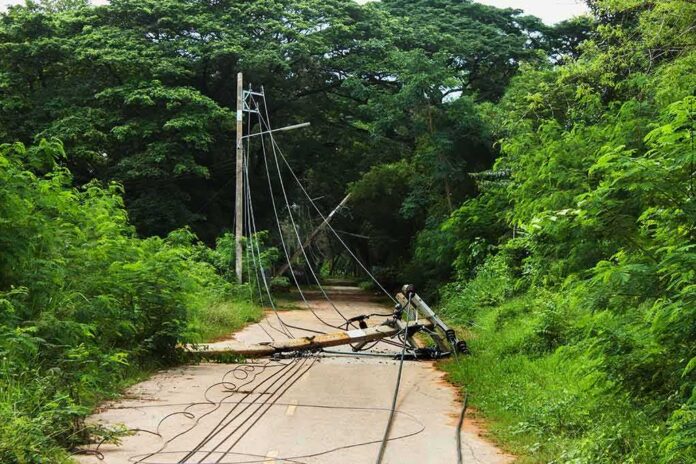
Cuba’s Ministry of Energy and Mines said the national grid suffered a total collapse on Friday, cutting power across the island of about nine million people. The official post described a nationwide blackout and did not name an immediate cause. The government’s electric utility reported a complete disconnection of the National Electric System and said teams had started service-restoration steps while they investigated. This was not a flicker. It was a full island blackout, with everyday life stalled in one sweep.
Hospitals shifted to generators. Stores went dim. Phone users hunted for a charge. Grid operators followed a set playbook after such a failure: stabilize key plants, isolate damaged lines, and bring regions back in stages. That process takes time and can slip if a unit trips. Past blackouts in Cuba show early gains can reverse under stress, turning a slow climb into a stop-and-go grind toward normal. People count on the lights; the system asks for patience.
Why One Fault Can Take Down a Whole Country
Reporters and experts have warned for months that Cuba’s power system is running near the edge. Fuel is tight, plants are old, and spare parts are scarce. When demand rises or a big unit trips, reserve power is too thin to catch the fall. One failure can cascade across lines and plants, forcing a shutdown to save equipment. That risk has been clear in wire reports that cite severe strain from fuel shortages and deteriorating infrastructure. This collapse fits that profile.
The utility’s forecast data this year showed large gaps between peak demand and available generation on tough days. Those holes force rolling cuts in normal times and raise the chance of a wider failure when something goes wrong. In that state, restoration is fragile. Operators must sync frequency, balance load, and ramp units in tight steps. Rush the sequence and another trip can push regions back into the dark. Prior episodes this year followed that script more than once.
The Blame War vs. The Physics
Cuban officials often point to United States sanctions and oil restrictions for starving the island of fuel and parts. Independent analysts also point to decades of underinvestment, weak maintenance, and late upgrades that now bite hard. Major outlets have framed the crisis as both a supply squeeze and a long slide in plant health, with the grid increasingly prone to total disconnections under stress. Both claims can be true at once, but physics does not care about politics when a turbine trips.
Common sense says leaders must plan for scarcity and harden what they control. Diversify fuel sources where possible. Keep critical spares on hand. Prioritize maintenance over show projects. Build small, fast-start units to backstop old giants. American conservatives often stress resilience, accountability, and local competence. Those values align with what every grid needs: clear spending priorities, honest risk math, and results measured in hours of uptime, not speeches.
What Happens Next, and What Matters Most
Officials began restoring service in steps after this collapse, as they have in prior events. Past blackouts saw parts of Havana come back first while rural areas waited longer. The same pattern is likely again. The public will hear about megawatts and circuits, but the stakes are simple: lights, refrigeration, water pumps, and hospital care. Each hour without power adds cost to families and small shops, and that cost compounds after every repeat failure.
BREAKING: Millions without power across Cuba as the island's electrical grid collapses again, the seventh nationwide blackout of the year.
— HIT.com (@HIT) September 19, 2026
The grid will come back, at least in part, but the core risk will stay until capacity, fuel, and maintenance improve in real terms. A system that runs hot and thin will fail again. That is not fatalism; it is a fix list. Add reliable fuel. Retire the worst units. Add new, flexible generation. Upgrade controls and protection. Train and pay the crews who hold the line. Do those things, and the next trip is a nuisance, not a national event.
Sources:
globalbankingandfinance.com, apnews.com, reuters.com, riotimesonline.com
© whatnewsdaily.com 2026. All rights reserved.