
Police arrested a 21-year-old Florida woman after authorities said she posted an Instagram threat to shoot President Trump at a Daytona Beach event.
Story Highlights
- Investigators say an Instagram post threatened to shoot President Trump at a Daytona Beach event.
- Officials identified the account holder as Allison Jeanne Albro and arrested her on a written-threat charge.
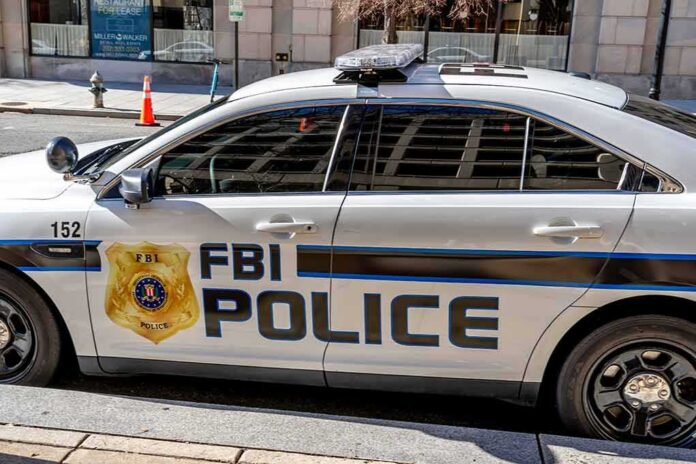
- Agents from the Federal Bureau of Investigation (FBI) and the United States Secret Service joined local detectives in the response.
- Albro reportedly admitted making the post, called it a joke, and had no gun; police still filed the felony charge.
Arrest Tied to Alleged Instagram Threat Before Daytona Event
Volusia County authorities said an Instagram post threatened to shoot President Donald Trump at a public event in Daytona Beach. The FBI alerted local officials the day of the rally. The Volusia Crime Center then traced the account to 21-year-old Allison Jeanne Albro. Detectives and United States Secret Service agents went to her residence and interviewed her. Officials said Albro admitted making the post, called it a joke, and was arrested on a charge of written threats to kill.
Investigators booked Albro without bond after the arrest, according to local reporting. Officials conducted a consensual search of her residence. Police reported finding no firearms, ammunition, or related gear. The case centers on the social media post itself and the admission, not on weapons or travel plans. Sheriff Mike Chitwood also shared a photo of the alleged threat online, signaling a formal threat response by multiple agencies.
How Florida’s Written-Threat Law Reaches Social Media Posts
Florida’s statute makes it a felony to send, post, or transmit a writing or electronic record that threatens to kill or cause bodily harm when it can be viewed by another person. Lawmakers updated this law to cover online posts, not only letters or direct messages. Courts in Florida have applied the law to Facebook posts as well, confirming that public posts can qualify as written threats under section 836.10 of the Florida Statutes.
Courts and police must also respect the First Amendment. The Supreme Court has said only “true threats” fall outside free-speech protection. In recent rulings, the Court explained that prosecutors must show the speaker had a wrongful mental state. That means the state needs more than crude or heated talk. It must prove the person understood or should have known the words would be taken as a real threat of violence, not as a joke or rant.
Security Protocols When a President Is Named in a Threat
When a post names a sitting president and a public event, federal and local agencies move fast. The United States Secret Service and the FBI are built to prevent harm before it happens. Their mission is to treat each credible-sounding warning as serious until proven otherwise. That is why agents quickly identified the account, interviewed the suspect, and searched the home. The absence of a gun did not end the case because the law targets the threatening post itself.
Officials still must prove the criminal elements in court. The charge signals the state believes the post met the statute’s terms. The reported facts show no weapon found and a statement that the post was a joke. Those points could matter to a judge or jury. But early in a case, public safety rules favor swift arrests when a threat targets a high-profile event. That fast action helps protect crowds and law enforcement at the scene.
Why This Matters for Everyday Users of Social Media
This case shows how a single post can trigger a major response. People often think a shocking line online is “just talk.” Florida law says otherwise. A public post that threatens to kill someone can be a felony, even if the poster claims it was a joke. Courts have upheld applying this law to social sites. At the same time, free-speech rules demand proof that the words were more than trash talk and crossed into a real threat.
A radical leftist in Florida posted an assassination threat against President Trump and was arrested.
Seeing idiots with mascara runs from crying in their mugshots makes me smile. https://t.co/hKIiu70Bt9
— Heartland Grump – The Rightest Voice on the Right (@heartland_grump) October 30, 2026
Americans across the political map worry that government leaders ignore real problems. They also worry about rising political anger and violence. This story touches both fears. Threats against public figures force stronger security and more police power. That can chill speech if laws are stretched too far. The line is simple to say but hard to live by: do not post threats. Debate hard, argue policy, and vote. But leave violence, even jokes about it, out of public life.
Sources:
facebook.com, wftv.com, pubapps.fdc.myflorida.com, webapps.hcso.tampa.fl.us, brevardsheriff.com
© whatnewsdaily.com 2026. All rights reserved.