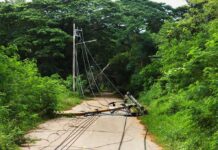


A human-caused wildfire has turned a quiet slice of southern Colorado into a disaster zone, torching tens of thousands of acres and wiping out whole neighborhoods while officials still refuse to say how it started.
Story Snapshot
- Nearly 67,000 acres burned with 0% containment, making it a top-10 Colorado wildfire on record.
- About 180 structures destroyed, with final damage counts still unclear and likely higher.
- Thousands evacuated from Beulah, Rye, Colorado City, and surrounding communities as the fire keeps spreading.
- Officials say the fire is human-caused but will not share details yet, fueling frustration and questions.
A Massive Human-Caused Fire With Zero Containment
The Aspen Acres Fire did not creep into southern Colorado; it exploded across it. As of Friday morning, officials say it has burned nearly 67,000 acres, with firefighters still reporting 0% containment. The blaze is ripping through Custer and Pueblo counties, about 15 miles northwest of Colorado City, driven by dry fuels and powerful winds that pushed it miles in several directions overnight. This is not a routine summer fire. It is now ranked among the ten largest wildfires ever recorded in Colorado. That scale matters because it shapes everything that follows: how many people are displaced, how much land is scarred, and how long the region will be digging out from the damage.
Officials already agree on one key point that hits a nerve with many residents: this fire is human-caused. That means it did not start with lightning or some freak natural event. A person did something, or failed to do something, and a whole region is paying the price. Fire agencies and the National Interagency Fire Center have stated that human activity ignited the blaze, but investigators have not told the public exactly how. Was it a careless campfire, a vehicle, equipment, or something worse like arson? That silence leaves a gap, and in that gap you get anger, rumors, and talk about accountability. For people who lost homes, knowing “human-caused” is not enough. They want to know who, and they want to know why.
Whole Communities Emptied Overnight
On the ground, the fire has turned normal life into a scramble to get out. Mandatory evacuations now cover Beulah, Rye, Colorado City, San Isabel, Wetmore, and several rural corridors, including parts of Red Creek and areas west of Interstate 25. Thousands of residents have been ordered to leave, often with only minutes to grab pets, documents, and a few bags. Local sheriffs expanded orders around midnight as the fire made an eight-mile run to the south and pushed closer to Colorado City. An evacuation shelter is open for displaced families, and the Joint Information Center has set up a phone line for people trying to learn if their property still exists. While officials say there is no direct threat to Pueblo at this time, the smoke and fear reach well beyond the fire’s perimeter. For many in these small towns, the fire does not just threaten buildings; it threatens the social fabric built over generations.
Inside the burn area, destruction is uneven but brutal. Sheriffs in Custer and Pueblo counties report that about 180 structures are gone, with 125 lost in Pueblo County and 55 in Custer County. Other incident updates suggest “more than 200” structures may ultimately be counted once teams can safely enter every neighborhood. Damage assessment crews say some homes stand untouched while neighboring houses are leveled to the foundation. That “hit-or-miss” pattern is typical in fast-moving fires that throw embers ahead of the main front. Right now, residents are not allowed back to check on their homes because conditions remain too dangerous. This delay protects lives, but it also stretches out the psychological shock. People are stuck in shelters or with relatives, living in a painful limbo where every phone call could confirm the worst.
Firefighting, Politics, And The Question Of Accountability
The firefight itself is large-scale and intense. More than 300 personnel are assigned to the incident, along with several large air tankers that are dropping retardant on critical ridges and edges of the fire. Crews are working steep, smoky terrain, trying to hold lines and defend structures where they can. One firefighter has been injured, but so far there are no confirmed civilian fatalities, which is remarkable given the speed and size of the blaze. The lack of deaths does not lessen the loss of homes and livelihoods, yet it does show that evacuation decisions were made quickly enough to move people out of harm’s way. From a conservative, common-sense standpoint, the priority on life over property is right, but it raises a hard follow-up question: if officials were able to move this fast once the fire blew up, why were they not just as aggressive about preventing it in the first place?
NEW: Aspen Acres fire grows to 55,392 acres, making it a top-10 biggest Colorado wildfire on record. It passed the 416 fire (2018) for 10th-biggest fire on record.
55,392 acres = 86.5 square miles = more than half size of the city of Denver. #COwx pic.twitter.com/NEsfhYXfmZ
— Chris Bianchi (@BianchiWeather) July 3, 2026
Governor Jared Polis has declared the fire a disaster emergency, which unlocks state and federal resources and heightens the sense of crisis. Disaster declarations are necessary to send help, but they also highlight a deeper policy pattern. Year after year, Colorado leaders talk about “red flag warnings,” dry summers, and climate pressure, while human-caused fires keep popping up in the same mix of scenic forests, small towns, and limited insurance coverage. Many homeowners in wildfire-prone areas struggle to get or afford insurance, leaving them exposed when a blaze like Aspen Acres roars through. That is where frustration with both government and the insurance industry boils over. People see a system where they bear the risk, pay high premiums or go uninsured, and then depend on emergency declarations after the damage is done. When officials confirm a human cause but hold back details, it clashes with the basic conservative value that responsibility should be clear and consequences should follow. Until the full cause is released, the fire remains not just a natural disaster, but a test of how serious Colorado is about preventing the next one.
Sources:
washingtontimes.com, denver7.com, fires.cornea.is, youtube.com
© whatnewsdaily.com 2026. All rights reserved.