
Federal prosecutors charged two former Federal Bureau of Investigation officials with lying to Congress about their roles in Hunter Biden-related inquiries, raising fresh alarms about honesty at the top of federal law enforcement.
Story Highlights
- Justice Department filed one criminal count each against Nikki Cole Floris and Bradley Benavides.
- Prosecutors say both gave false statements about task-force ties to Hunter Biden investigations.
- Alleged false statements occurred during House Judiciary Committee testimony in 2023.
- Case was brought by criminal complaint, not yet by grand-jury indictment.
What DOJ Says Happened and Why It Matters
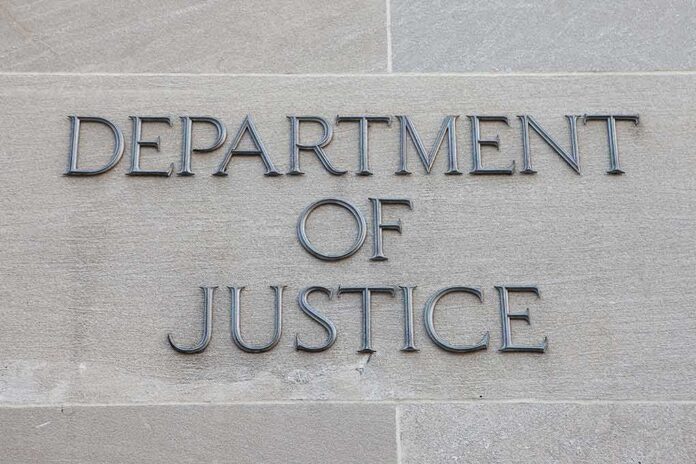
The Department of Justice (DOJ) charged former FBI officials Nikki Cole Floris and Bradley Benavides with making false statements to Congress about their knowledge and involvement in FBI work tied to Hunter Biden. The DOJ alleges Floris denied any role when asked directly in July 2023. The DOJ says Benavides claimed he learned of the laptop’s FBI custody from Wikipedia in 2023, despite earlier awareness. Prosecutors argue the statements hid task-force engagement and hindered oversight by the House Judiciary Committee.
Prosecutors say the statements were material because Congress was probing whether an FBI group focused on foreign influence interacted with or shaped the Hunter Biden investigations. The DOJ frames the case as about straightforward accountability: Congress asked, and it deserved complete and truthful answers. The charging document outlines one count against each former official and includes an FBI-prepared statement of facts to support probable cause at this stage of the case.
When and Where the Testimony Occurred
The DOJ filing ties Floris’s alleged false statement to a House Judiciary Committee appearance on July 19, 2023, where she stated she had no involvement in the Hunter Biden investigation. Prosecutors also cite Benavides’s testimony from September 2023, where he said he learned about FBI possession of the laptop from Wikipedia. The government alleges both statements were false and obscured the Foreign Influence Task Force’s contacts with the related FBI work.
The case is proceeding by criminal complaint rather than a grand-jury indictment. A complaint sets out allegations and a statement of facts to establish probable cause but is not a finding of guilt. Reporting states that prosecutors had not yet presented the case to a grand jury, which can be a later step in federal prosecutions. That procedural path keeps the facts subject to adversarial testing in court.
The Law: False Statements and Materiality
Federal law makes it a crime to make materially false statements in matters within the jurisdiction of the federal government, including congressional proceedings. The government must prove a false statement, knowledge, and materiality. Materiality means the lie had a natural tendency to influence the inquiry. Congressional Research Service summaries explain that section 1001 often applies to testimony even when it is not under oath, while perjury statutes address sworn lies.
Applied to this case, DOJ argues that answers about whether an FBI task force engaged with Hunter Biden investigations were important to the committee’s work. If the statements were false and known to be false, they could meet the statute’s elements. The defense will likely focus on what each person knew, when they knew it, and whether the questions and answers were precise or could be read more narrowly. Those are common issues in false statement cases.
Why This Hits a Public Nerve
This case touches a raw nerve for many Americans who feel the system favors insiders. People on the right and left worry that top officials shade the truth when power is at stake. Here, the alleged lies involve a politically sensitive probe, a special FBI task force, and the question of whether Congress got straight answers. The shared concern is simple: if senior officials cannot tell the truth to elected representatives, who can the public trust to fix hard problems?
Two former senior FBI officials have been charged with lying to Congress about the Hunter Biden investigations. Nikki Floris and Bradley Benavides surrendered Friday; both deny the allegations. It's a complaint, not an indictment. #breaking #FBI pic.twitter.com/SSGEWvEhj3
— Heard This Yet? (@HeardThisYetTV) October 24, 2026
The DOJ action also reflects a larger trend. Congress has pressed agencies more often, and agencies push back. When answers appear misleading, criminal exposure follows. That can promote honesty, but it also raises the stakes in already tense hearings. The result is a clash between the need for frank oversight and the fear that every misstep could become a crime. Clear questions, clear records, and timely disclosures can help lower that temperature.
What Comes Next in Court and in Congress
Next steps likely include initial court appearances, potential grand-jury review, and discovery that could surface emails, task-force logs, and transcripts. Those records could show the timing and scope of each official’s knowledge, and whether their words to Congress were clearly false or the product of confusion. Congress may also seek more documents to map how the Foreign Influence Task Force interacted with the Hunter Biden-related work.
Sources:
theatlantic.com, cnn.com, justice.gov, cbsnews.com, whro.org, congress.gov
© whatnewsdaily.com 2026. All rights reserved.