
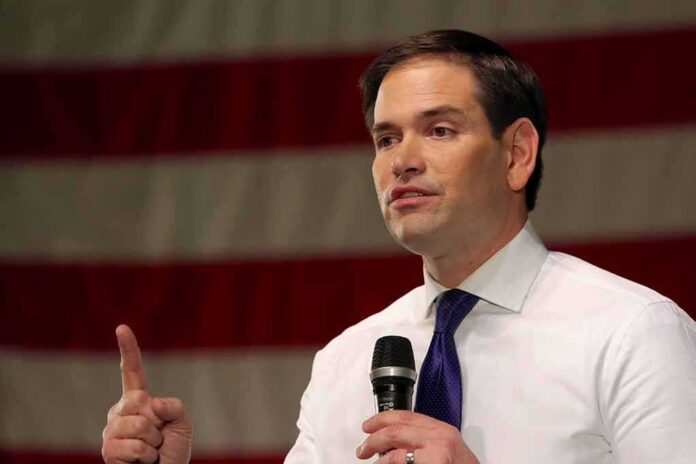
Secretary of State Marco Rubio told NBC’s Today that parts of the U.S. media “sound like they’re rooting for Iran,” while defending the White House’s decision to limit access for several outlets.
Story Highlights
- Rubio challenged NBC’s framing on Iran and press access during a tense Today interview.
- Rubio said the United States is open to a United Nations meeting with Iran, but none is scheduled.
- The clash came amid a White House dispute over excluding CNN, MS Now, and Politico from workspace access.
- The dispute echoes long-running fights over media bias and government press access norms.
Rubio Confronts NBC Over Media Framing on Iran
Marco Rubio, serving as Secretary of State, pressed Today host Craig Melvin on September 22, 2026, over what he called a slant in coverage that “sounds like it’s rooting for Iran.” Reports describe a sharp back-and-forth focused on both Iran policy and media conduct. The immediate spark was a question set about White House press access. Rubio pushed back on tone and framing, arguing national coverage often gives hostile regimes too much benefit of the doubt.
Rubio’s critique targeted editorial posture rather than a single disputed fact. The interview grew heated as Melvin pressed the administration’s decisions on access. Coverage from NBC’s platform has previously carried full transcripts of Rubio interviews, showing the network sometimes publishes complete records. That practice provides useful context for how Today segments are framed, even when individual interviews are not yet posted in full.
United States Stance: Open to Talks, No Iran Meeting Set
Rubio said the United States remains open to a meeting with Iranian officials during United Nations events but confirmed no session is on the calendar. He stated there is no scheduled meeting while leaving the door open to diplomacy. That position aligns with standard practice: keep channels available without rewarding bad behavior. A wire report captured Rubio’s exact comment on openness to a meeting and the lack of a set time.
The Iran exchange and the press access dispute intersected because both deal with leverage and message control. Rubio argued that adversaries watch how American media frames conflict and that slanted coverage can weaken U.S. standing. By keeping the focus on policy goals and careful engagement at the United Nations, he tried to separate diplomatic flexibility from any sign of weakness or appeasement. The administration’s line is to meet if it serves U.S. interests, not to grant optics wins to Tehran.
White House Press Access Fight Forms the Backdrop
The Today dust-up followed days of friction over the Trump White House limiting workspace access for three outlets: CNN, MS Now, and Politico. Rubio defended the move as a reasonable boundary, not a shutdown of reporting, stressing that these outlets can keep covering the news from outside the West Wing workspace. He said this was about access management, not censorship or arrests, drawing a bright line between editorial disagreement and government force.
Legal and historical context shows presidents and the press have long traded shots over access and bias. Formal bans on entire outlets remain rare, which is why this fight drew wide attention. A recent report noted few modern examples of full exclusion, even amid frequent clashes. The current dispute will likely test how far viewpoint and conduct can factor into credentialing while keeping within First Amendment limits and established case law on press facilities.
Why This Matters to Viewers Concerned About Strength and Fairness
The exchange matters because Iran policy and media power both shape national security and public trust. When a major network interview centers on whether American coverage undercuts U.S. interests, it raises core questions: Who sets the story, and do our media challenge enemies as hard as they challenge U.S. leaders? Rubio’s remarks put that debate on-air, where the costs of skewed framing can ripple into diplomacy, deterrence, and the safety of American forces and allies.
🚨 United States Secretary of State Marco Rubio has defended US President Donald Trump’s decision to ban CNN, MS NOW, and Politico from the White House, arguing that the administration has restricted their access to the presidential complex rather than their ability to operate as… pic.twitter.com/KiX2vuZ5ak
— Wolf Brief (@wolfbrief_) September 22, 2026
For many, the Trump administration’s access limits look like a pushback against years of bias and double standards. The administration argues it is not silencing anyone; it is choosing who works inside its own workspace. Supporters see that as common sense and long overdue. Critics see risk to press norms. The facts remain: Rubio challenged the network’s framing, defended the policy as an access decision, and confirmed no Iran meeting is set, even as diplomacy stays on the table.
Sources:
twitchy.com, pjmedia.com, yahoo.com, nationalenquirer.com, state.gov, gulf-times.com
© whatnewsdaily.com 2026. All rights reserved.