
President Donald Trump breaks a century-old presidential precedent by attending the White House Correspondents’ Dinner for the first time as sitting president, despite years of branding journalists as enemies and ordering his own administration to boycott the event.
Story Snapshot
- Trump attends the April 25, 2026 White House Correspondents’ Dinner as president for the first time, ending a boycott spanning both terms
- Every president since Calvin Coolidge in 1924 attended at least once in office, except Trump during his entire first term
- The event features mentalist Oz Pearlman instead of the traditional comedian host, eliminating the customary presidential roast
- Trump orders administration officials to skip the gala while personally attending, creating a stark contradiction amid ongoing media lawsuits and access restrictions
- His appearance sets up a potential role reversal from his 2011 roasting by President Obama, an event widely credited with fueling Trump’s political ambitions
The Historic Boycott Ends With Maximum Drama
The Washington Hilton ballroom fills with journalists, politicians, and celebrities on April 25, 2026, as arrivals begin at 6 p.m. ET for an event unlike any in its 102-year history. Trump’s decision to personally attend while simultaneously ordering his administration to boycott creates a spectacle of contradictions. The White House Correspondents’ Association has hosted presidents annually since 1924, establishing a tradition where America’s commander-in-chief willingly submits to good-natured ribbing from the press corps. Trump shattered that tradition during his first term by skipping every dinner from 2017 through 2021, famously declaring the media the “enemy of the people.” His 2025 absence continued the pattern, making this appearance all the more remarkable.
A Mentalist Replaces Comedy’s Sharp Edge
The selection of Oz Pearlman as host represents a significant departure from tradition. Previous dinners featured comedians like Trevor Noah and Colin Jost, who delivered pointed barbs at presidential policies and personalities. Pearlman’s mentalist act eliminates the conventional roasting format, raising questions about whether Trump engineered this softer approach or simply lucked into it. Lara Trump previewed her father-in-law’s planned remarks as “funny,” suggesting he intends to control the evening’s narrative rather than endure it. The absence of a professional comedian armed with prepared zingers fundamentally alters the power dynamic. Trump now faces an audience he’s spent years antagonizing, but without the structured comedic framework that traditionally levels the playing field between president and press.
Obama’s 2011 Roast Still Echoes
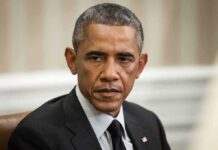
Trump last attended this dinner as a private citizen in 2011, when President Barack Obama delivered a devastating roast that many political observers identify as a turning point. Obama mocked Trump’s birtherism conspiracy theories and reality television credentials while Trump sat stone-faced in the audience. That public humiliation allegedly catalyzed Trump’s serious presidential ambitions. Now, fifteen years later, Trump returns wielding presidential power and seeking what some describe as “revenge.” The role reversal is complete. The man who was roasted now controls executive authority, law enforcement appointments, and media access. FBI Director Kash Patel’s vow to file defamation lawsuits against The Atlantic demonstrates how Trump’s administration weaponizes legal threats against critical coverage, fundamentally changing the stakes for journalists in the room.
Journalists Face an Impossible Balance
White House Correspondents’ Association members confront a professional dilemma. Their event celebrates the free press while honoring a president who systematically undermines it. Veteran journalists have urged the organization to publicly rebuke Trump’s attacks on media freedom, arguing that polite dinner conversation normalizes authoritarian behavior. Yet the dinner’s purpose includes maintaining the working relationship between presidency and press corps. This tension becomes acute when Trump’s White House counsel Bill McGinley enforces the administration boycott, testing loyalty among officials who might prefer attending. The journalists’ professional obligation to hold power accountable conflicts with the dinner’s tradition of temporary détente. Trump’s presence forces them to choose between preserving institutional norms and defending institutional independence, a choice that reflects the broader challenge of covering his presidency.
What This Attendance Really Signals
Trump’s first presidential appearance at this dinner serves multiple strategic purposes. He dominates the news cycle during a traditionally media-focused event, reframes his relationship with the press on his terms, and demonstrates that he sets the rules rather than following them. The awkwardness observers predict might be precisely the point. Trump thrives in chaos and norm-breaking, using controversy to command attention and set agendas. His simultaneous attendance and administration boycott creates maximum contradiction, forcing journalists to cover him extensively while he publicly dismisses their profession. Whether this signals potential détente or escalating conflict depends on how Trump performs and responds. His history suggests conciliation remains unlikely. The broader question concerns whether traditional institutions like the correspondents’ dinner can survive when one party views them as battlegrounds rather than bridges. Trump’s appearance tests whether these customs retain meaning when stripped of their foundational assumptions about mutual respect between presidency and press.
The evening represents more than awkward theater. It crystallizes the fundamental tension between Trump’s governance style and the democratic norms that constrain presidential power. By attending while ordering subordinates away, Trump signals that he alone decides which traditions matter. That singular authority, unchecked by custom or institutional pressure, defines his approach to executive power. The journalists filling the Washington Hilton face a president who views their profession not as democracy’s necessary watchdog but as political opposition requiring defeat. The laughter and applause tonight cannot obscure that underlying reality, regardless of how funny Trump’s prepared remarks prove to be.
Sources:
White House Correspondents’ Dinner journalists defend press Donald Trump
Trump’s attendance adds awkward turn to White House correspondents’ dinner
White House Correspondents’ Association